
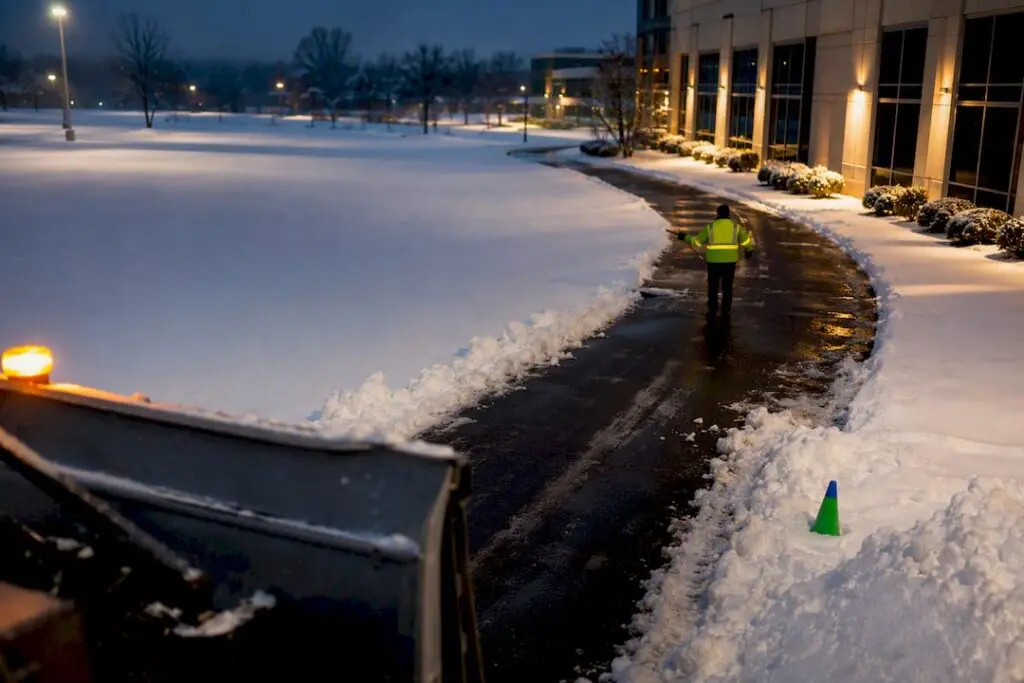
A valid commercial snow management plan is a written, site-specific document that defines prioritized areas, a measurable Level of Service, clear triggers and response windows, approved materials, and a verification system tied to a signed contract with insurance and indemnity language. Property managers who skip any one of these pieces are negotiating price without negotiating protection. Precise contract terms and event-level logs are what actually stand between your property and a costly claim.
Additional Factors to Know
A detailed site assessment by experienced personnel is crucial to identify hazards, document priority zones, and establish baseline photos before winter begins.
Clear, measurable Level of Service and Scope of Work clauses must specify snow removal outcomes, triggers, and response times to ensure enforceability and contractor accountability.
Using cold-weather deicers like calcium chloride, magnesium chloride, or blends is essential as rock salt becomes ineffective below 15°F, especially on high-traffic areas.
Contractors should log all service details, including timestamps, materials used, and photos, to defend performance and reduce liability risks during legal disputes.
Securing early procurement, with defined trigger thresholds and service expectations, helps prevent last-minute hiring of inexperienced crews and ensures consistent winter coverage.
Table of Contents
-
Why a Written Commercial Snow and Ice Management Plan Matters
-
Level of Service and Scope of Work: Measurable Expectations to Require
-
Contract Types and a Drafting Checklist for Defensible Service Terms
-
Operational Triggers, Materials and Low-Temperature Guidance
-
Execution, Verification and Recordkeeping That Defend Performance
-
Legal Risk and Liability: The Role of Clarity and Documentation
-
How Fernandez & Sons Helps: Request a Site Assessment and Sample SOW
Why a Written Commercial Snow and Ice Management Plan Matters
A vague verbal understanding with your plow contractor is not a plan. It’s a liability gap waiting for the first ice storm. A written commercial snow management plan reduces business interruption because tenants, customers, and delivery drivers know exactly what to expect and when.
Documentation also does heavy lifting in court. When a slip-and-fall claim lands on your desk, the property that wins is usually the one with dated service records, not the one with the friendliest relationship with its plow driver. A written scope also levels the bidding field: when every contractor bids against the same Level of Service and Scope of Work, you’re finally comparing apples to apples instead of guessing why one quote is half the price of another.
Site Assessment and Site Engineering Plan: What to Map Now
Before you write a single contract clause, walk the property. Industry standards call for a written site assessment performed by someone with at least three winter seasons of hands on experience, and that person needs to flag every hazard zone before the first flake falls, according to SIMA’s procurement standard.
Your site map should capture:
-
Main entrances, ADA ramps, and emergency exits
-
Storm drains, downspouts, and grade changes prone to runoff
-
Known thaw-refreeze spots (shaded walkways, north-facing stairs, areas near HVAC condensate lines)
-
Snow-stack and haul zones that won’t block sightlines or drainage
-
Tenant-shared walkways, loading docks, and dumpster corrals
Stake pile locations and mark priority zones before the season starts, and take dated photographs of every area listed above. A preseason inspection that documents pavers, walkways, and landscape edges also protects your hardscape investment from plow damage later.
Pro Tip: Take “what success looks like” baseline photos of every priority zone before winter starts. When a dispute arises in February, a clear November photo showing bare pavement is worth more than any argument about intent.
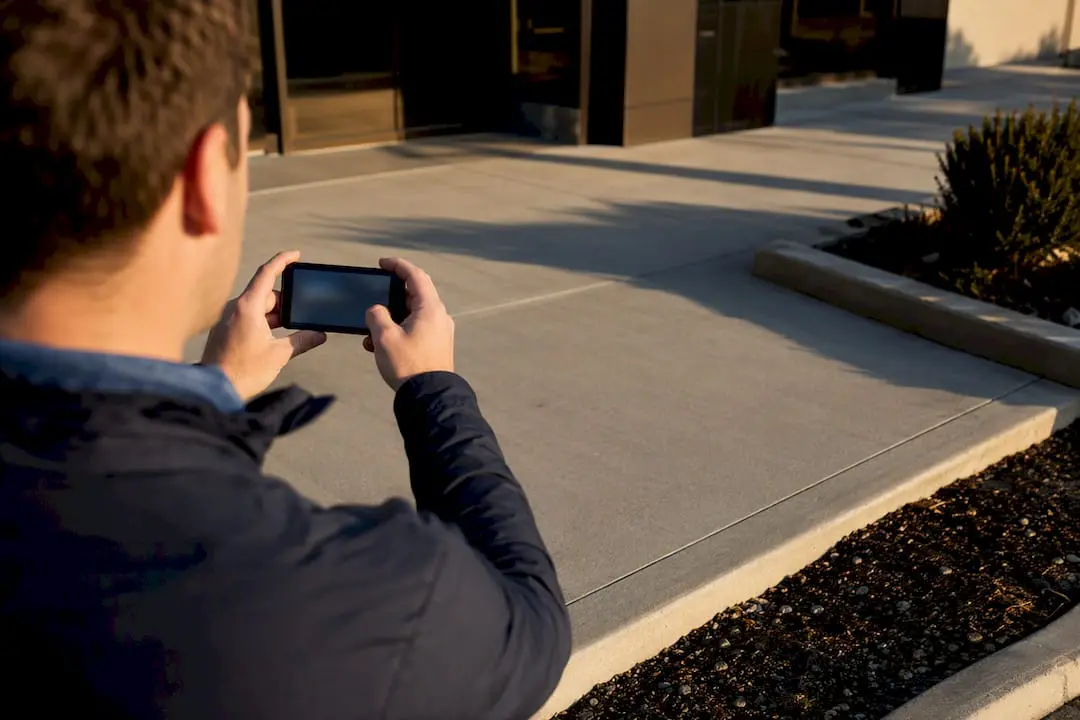
That map becomes the backbone of your SOW and LOS. Without it, you’re asking a contractor to prioritize blind.
Level of Service and Scope of Work: Measurable Expectations to Require
Your Level of Service defines what “done” actually looks like, in numbers, not adjectives. Procurement guidance recommends including outcomes, accumulation triggers, completion windows, and service priorities directly in the request for proposal, not left to interpretation once the contract is signed.
A workable LOS spells out:
-
End-state examples (“bare pavement within 2 hours of accumulation ending” beats “reasonably clear”)
-
Accumulation triggers by zone (1 inch for main entrances, 2 inches for overflow parking)
-
Completion windows tied to priority ranking, not a single blanket deadline
-
Post-storm monitoring for refreeze and a defined re-treatment schedule
Your Scope of Work then answers the boring but critical questions: which surfaces are covered, where snow can legally be piled, whether roof and gutter work is included, and who hauls snow off-site when stack zones fill up. A sample clause might read: “Contractor shall treat all designated walkways within 90 minutes of service completion if surface temperature is below 20°F and monitor for refreeze until 8:00 a.m. the following day.” That kind of specificity is what turns a handshake into an enforceable agreement.
Contract Types and a Drafting Checklist for Defensible Service Terms
Three pricing structures dominate the industry, and each fits a different risk tolerance. Pay-per-event pricing charges by storm, which works for properties with tight winters and predictable snowfall. Seasonal flat-rate contracts trade budget predictability for a premium built into the price. Per-inch pricing scales cost to accumulation, useful for properties that want to avoid overpaying in a light winter but need tolerance for a brutal one.
Whichever structure you choose, run it against this checklist before signing:
-
Trigger definition, stated in inches and by zone
-
Who initiates service (contractor discretion vs. property manager call)
-
Response window from trigger to service start
-
Completion target by priority area
-
Material specification, including cold-weather products
-
Re-treatment terms after refreeze
-
Proof-of-performance requirements
-
Insurance certificates and additional-insured status
-
Indemnity language
-
Subcontracting disclosure and approval rights
-
Cancellation terms and multi-year renewal options
Pro Tip: Before you sign, walk your trigger language through an actual dispatch scenario. If a contractor can’t tell you how a “1 inch, rising” trigger translates into a crew leaving the yard, the clause is too vague to enforce.
Operational Triggers, Materials and Low-Temperature Guidance
Trigger depths should vary by surface and traffic. A common baseline sets walkways at 1 inch and parking lots at 2 inches, but high-traffic entrances, loading docks, or ADA routes often warrant tighter triggers regardless of what the rest of the lot needs.
Material selection has to account for temperature, not just habit. Rock salt loses effectiveness once pavement temperatures drop below roughly 15°F, so your contract should require calcium chloride, magnesium chloride, or a blend for hard freezes rather than leaving the choice to whatever bag is on the truck.
-
Set tighter triggers for ADA ramps, main entrances, and loading docks
-
Require cold-weather deicers specified by name, not “as needed”
-
Anti-icing (pre-treatment) applied before a storm arrives cuts total product use and bonding time
-
Follow SIMA’s salt-use best practices to limit runoff into storm drains and landscaped areas
Anti-icing, plowing, and post-storm de-icing work as one system. Skip pre-treatment to save money upfront and you typically spend more on emergency de-icing later, since ice that’s already bonded to pavement is far harder to break than ice prevented from forming.
Execution, Verification and Recordkeeping That Defend Performance
Service without a record is service you can’t prove happened. At minimum, require contractors to log start and completion timestamps, crew and vehicle IDs, GPS traces of plow routes, photos of every priority zone, materials applied with quantities, and the weather data source used to justify the call.
-
Per-event reports delivered within 24 hours of service
-
Monthly summaries showing cumulative snowfall, materials used, and response times
-
End-of-season summary totaling events, hours, and material volume for budget planning next year
This isn’t paperwork for its own sake. Detailed service logs with timestamps and photos are consistently cited as the strongest defense in slip-and-fall litigation, and they also give you the leverage to tie payment directly to documented performance rather than a contractor’s word.
Budgeting, Contractor Capacity and Procurement Timing
Waiting too late to shop for a snow contractor risks ending up with less experienced crews, limited equipment, and higher pricing. Procurement guidance recommends awarding contracts before September 1 and having service ready at least two weeks ahead of typical winter onset in your region.
-
Compare bids using identical LOS/SOW terms so pricing differences reflect capacity, not corner-cutting
-
Build a contingency line into your budget for a heavier-than-average season
-
Ask contractors how they handle equipment failure or crew shortages during multi-day events
-
Consider a multi-year agreement to lock in capacity and stabilize year-over-year pricing
Securing coverage early is less about saving money and more about making sure a crew actually shows up when three other properties on the same route are also calling.
Legal Risk and Liability: The Role of Clarity and Documentation
New Jersey courts generally hold that commercial property owners have no duty to clear snow during an active storm, but that duty activates within a reasonable time once the storm ends, as a 2025 appellate ruling reaffirmed. That “reasonable time” standard is exactly why your SOW needs a defined completion window instead of a vague promise to get to it eventually.
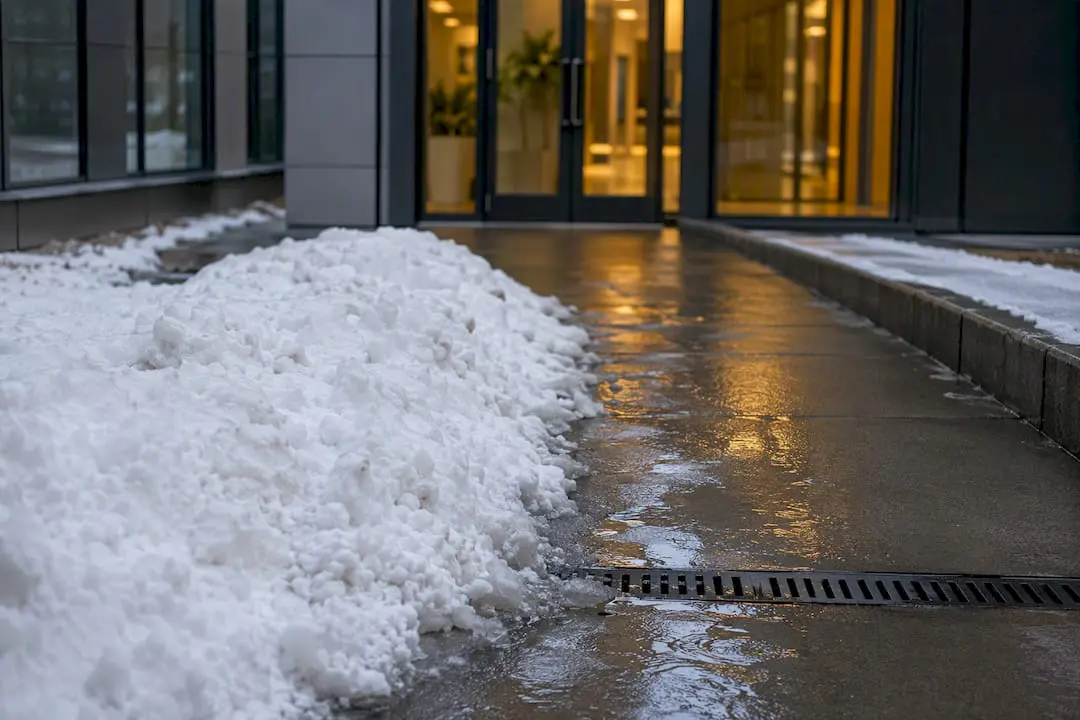
Clearing snow poorly can create liability even where natural-accumulation protections would otherwise apply. A plowed ridge blocking an entrance or a melt path draining across a walkway can turn an act of maintenance into the cause of the fall. Pair your SOW and LOS with a service log and you have the two pieces courts weigh most heavily.
Before the season starts, confirm your contractor carries adequate commercial general liability limits, names your property as an additional insured, and either holds a snow-specific rider or explicit snow coverage. Ask for indemnity language that shifts responsibility for contractor negligence back onto the contractor, not onto you.
Field Notes: Where Snow Plans Actually Break Down
The plans that fail in court or in practice almost always share the same gaps: triggers written in vague language, pile locations left to guesswork, verification that’s spotty at best, and cold-weather materials never specified until it’s already 10°F outside.
Some contractors approach commercial accounts with a preseason walk of the property, a communication plan for tenants and stakeholders before the first storm, and a sample SOW that spells out priority zones, trigger depths, and materials before a contract is signed. That groundwork is what keeps a snowstorm from becoming a legal problem.
— BG
How Fernandez & Sons Helps: Request a Site Assessment and Sample SOW
Fernandez & Sons handles the groundwork most commercial snow plans skip: a preseason site walk, a written SOW and LOS built around your actual priority zones, and seasonal contract terms that hold up when a claim comes in. Serving commercial properties across Morris and Somerset Counties, Fernandez & Sons pairs commercial snow removal with the documentation practices this guide covers, so you’re not left reconstructing what happened after a storm.

If your current contract still reads “clear as needed,” it’s worth a second look before the season locks in. Fernandez & Sons offers a free estimate and a satisfaction guarantee on commercial snow services, and can also fold in masonry and hardscape protection for properties worried about plow damage to walkways and pavers. Request a preseason site assessment and sample SOW now, while contractor capacity for this winter is still open.
Primary Standards and Procurement Templates to Consult
For deeper reading, SIMA’s ANSI procurement standard covers site assessment requirements, and its RFP best practices guide walks through LOS drafting. A practical RFP template example shows how these elements translate into bid documents, and the Russo v. Bernard Plaza ruling illustrates how courts weigh contract clarity in liability disputes.
Sources to Read
-
SIMA ANSI Procurement Standard (EDU25) — Best practices and standards
-
Injuries caused by snow & ice removal — legal analysis (J. White Law)