
New Jersey August, Late Summer Lawn Care Tips
As summer peaks in August, lawn care in New Jersey becomes particularly important. The intense heat, fluctuating rainfall, and high humidity present unique challenges to maintaining a healthy and lush lawn. Here are six essential tips to ensure your lawn stays vibrant and well-maintained during the late summer months in the Garden State.
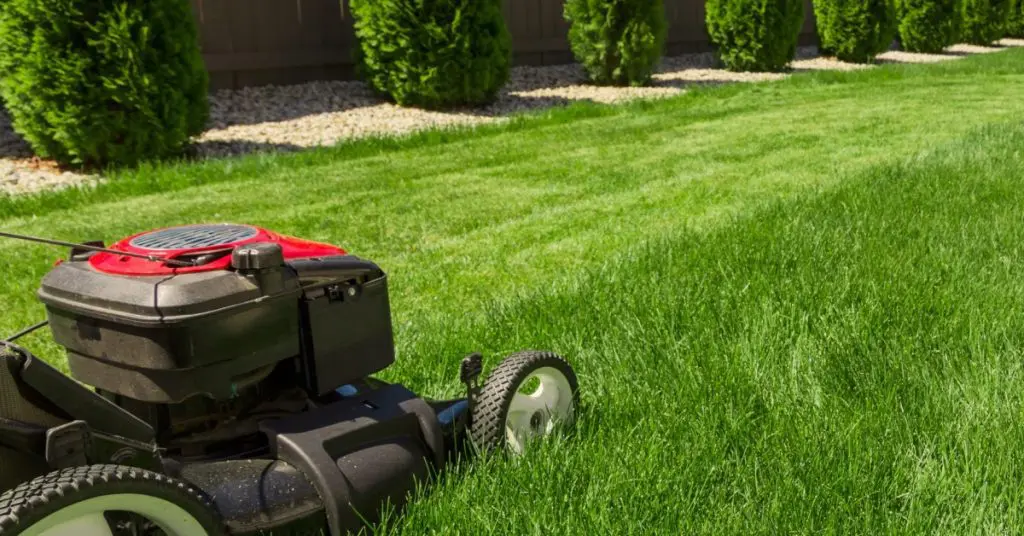
Adjust Mowing Practices

Mowing your lawn correctly is crucial for its health, especially in late summer when the grass can be stressed by heat and drought. Here are some key points to consider:
Raise Mower Height
Raising the mower height during the hot summer months is beneficial. Taller grass helps shade the soil, decreasing water evaporation and cooling the surface. This helps keep the grass cooler and retains soil moisture. For most cool-season grasses common in New Jersey, such as Kentucky bluegrass, fescues, and ryegrass, a mowing height of three to four inches is ideal during late summer.
Keep Blades Sharp
It’s vital to make clean cuts. To do so, ensure your mower blades are sharp. Dull blades tear the grass, making it susceptible to disease and pests. Sharper blades improve the lawn’s appearance and promote healthier growth by minimizing stress on the grass.
Follow the One-Third Rule
Avoid cutting over 1/3rd of the grass height in a single mowing session. Removing too much at once can shock the grass, leading to browning and weakening its root system. Regular mowing at the correct height encourages a thicker, healthier lawn.
Watering Wisely
Proper watering is crucial for lawn care in August. While New Jersey might receive sporadic rainfall, it’s often not enough to keep lawns healthy. Here are some watering tips:
Water Early in the Morning
Watering your lawn early, between 6 a.m. and 10 a.m., is the best practice. This enables the grass to absorb moisture before the day’s heat causes evaporation. Watering in the evening can lead to extended moisture on the grass blades, increasing the risk of fungal diseases.
Deep and Infrequent Watering
Watering deeply and infrequently is more beneficial than shallow, frequent watering. Deep watering promotes deeper root growth, enhancing the grass’s drought resistance. Aim to provide about 1 to 1.5 inches of water per week, including rainfall. This amount can usually be achieved by watering once or twice a week.
Check for Signs of Drought Stress
Watch for warnings of drought stress, such as grass turning bluish-gray or footprints that remain visible after walking on the lawn. These indicators suggest that the lawn needs water.
Fertilization
Late summer is a critical time for fertilizing your lawn in New Jersey. Fertilization provides essential nutrients that help the grass recover from the summer stress and prepare for the cooler fall months.
Choose the Right Fertilizer
Select a balanced, slow-release fertilizer that provides nitrogen, phosphorus, and potassium. The ratio of these nutrients can vary. It all depends on your lawn’s specific needs, but a standard recommendation for late summer is a fertilizer with a higher nitrogen content to promote healthy growth.
Follow Application Guidelines
Follow the manufacturer’s guidelines for fertilizer application rates and timing. Over-fertilization can lead to excessive growth, which can make the lawn susceptible to disease and require frequent mowing.
Avoid Fertilizing During Extreme Heat
Avoid applying fertilizer during extreme heat, as this can further stress the grass. Aim to fertilize in the early morning or late afternoon when temperatures are more relaxed.
Weed Control
Weeds compete with grass for nutrients, water, and sunlight. Managing weeds in late summer is essential for late summer lawn care to maintain a healthy lawn.
Identify and Target Weeds
Identify the weed types present in your lawn and choose appropriate control methods. Broadleaf weeds like dandelions and clover can be treated with selective herbicides, while grassy weeds may require different approaches.
Apply Herbicides Carefully
Apply herbicides according to the label instructions, taking care to avoid over-application. Spot-treating weeds rather than broadcasting herbicides can minimize the impact on the surrounding grass.
Maintain a Healthy Lawn
A thick, robust, healthy lawn is the best defense against weeds. Proper mowing, watering, and fertilization practices help create an environment where weeds struggle to establish.
Aeration
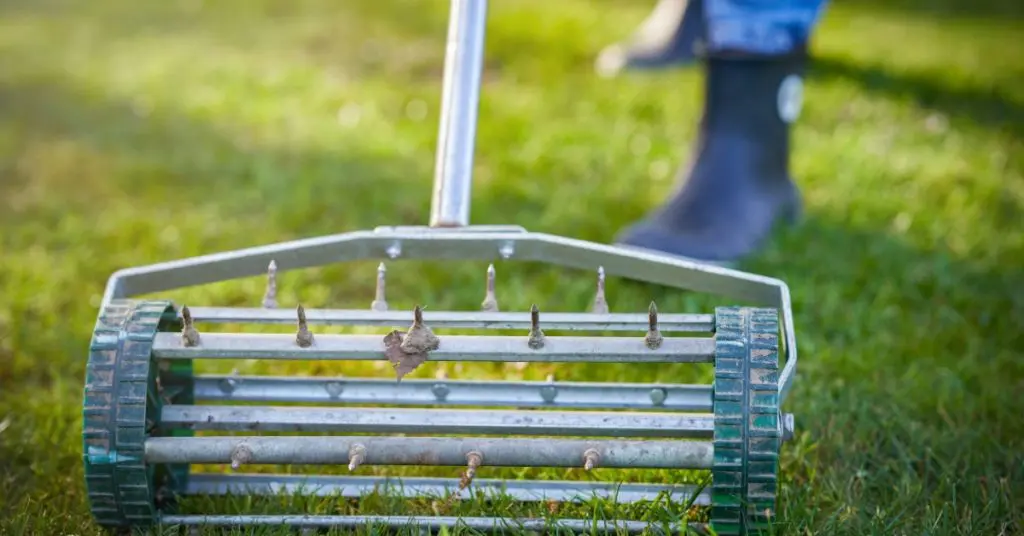
Aeration is a beneficial practice for late summer lawn care that can help alleviate soil compaction and promote healthy root growth. Late summer or early fall is an excellent time for aeration in New Jersey.
Benefits of Aeration
Aeration helps improve soil structure, enhances water and nutrient uptake, and encourages deeper root growth. This process involves removing small plugs of soil from the lawn, allowing air, water, and nutrients to penetrate the root zone more effectively.
Choosing the Right Aerator
A core aerator, which removes small soil cores, can be used rather than a spike aerator, which can further compact the soil. Core aerators can be rented from garden centers or equipment rental companies.
Timing and Frequency
Aerating your lawn is best when the soil is moist but not saturated. This usually occurs after a rainfall or deep watering. For most lawns, aerating once a year is sufficient, but heavily compacted soils may benefit from more frequent aeration.
Overseeding
Spread grass seed over the existing lawn to fill in bare spots, improve turf density, and enhance the lawn’s overall appearance.
Choose the Right Grass Seed
Select grass seeds well-suited to New Jersey’s climate and your lawn’s specific conditions. Cool-season grasses like Kentucky bluegrass, perennial ryegrass, and fine fescues are commonly used in New Jersey.
Prepare the Lawn
Before overseeding, mow the lawn slightly shorter than usual and remove any debris. Aerating the lawn before overseeding can improve seed-to-soil contact and increase germination rates.
Spread the Seed Evenly
Using a broadcast spreader, distribute the grass seed evenly across the lawn. Lightly rake the lawn area to ensure good seed-to-soil contact, then water the lawn thoroughly.
Moisture
Maintain consistent soil moisture until the new grass is established. This might require light watering several times daily, depending on the weather conditions.
Achieve a Lush Late Summer Lawn for August and Beyond
Caring for your lawn in New Jersey during late summer requires a combination of proper mowing, watering, fertilization, weed control, aeration, and overseeding. Following these six tips, you can ensure your lawn remains healthy, green, and resilient through the hottest months of the year and into the fall. Regular maintenance and attention to detail will help you achieve a lawn that enhances the beauty and value of your property.
Contact Fernandez & Sons in Morristown, New Jersey, for professional summer lawn care assistance. The landscape team offers expert services to keep your lawn looking its best throughout the year.