
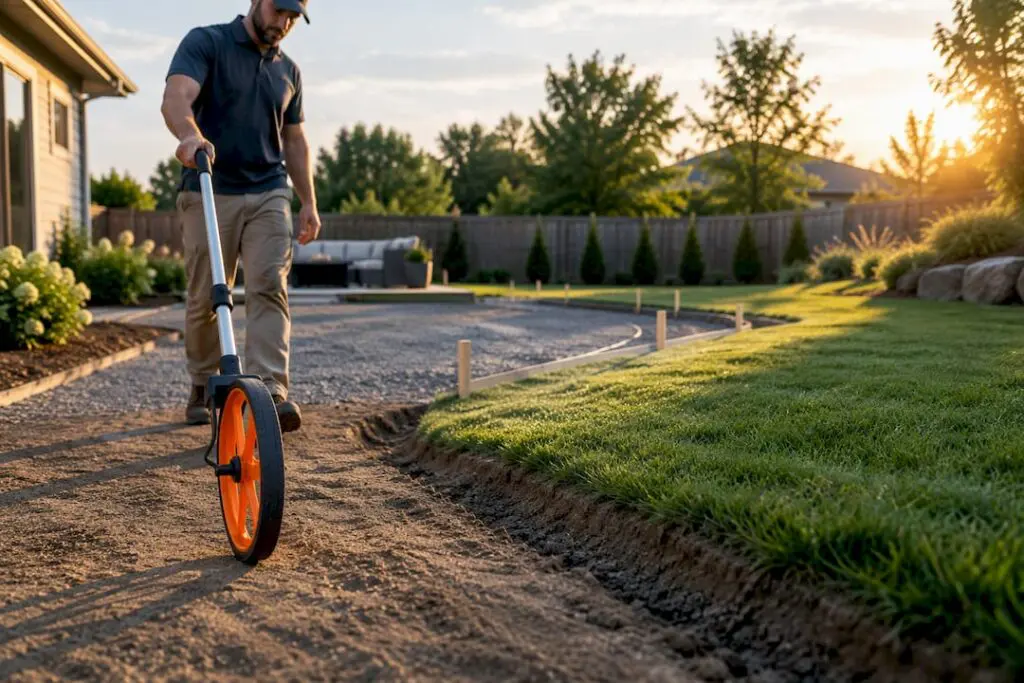
An estimate is an approximate projection of what a project might cost. A quote is a fixed, detailed price that can become a binding contract once you sign it. Use estimates to shape your budget early, but never authorize work, hand over a deposit, or schedule a crew based on an estimate alone. Before anything starts, insist on a signed quote that spells out materials, labor, and payment terms. Get any bid you’re comparing against others to cover the exact same scope.
What to Know
An estimate provides a rough range based on assumptions and should never be used as a final price or commitment.
A signed quote is a detailed, fixed-price document that specifies scope, materials, costs, payment schedule, and project timeline.
Significant projects involving construction or permits require a detailed, written quote before starting work to avoid disputes.
Homeowners should verify scope, materials, and allowances are clearly itemized in quotes and avoid vague wording like “materials to be determined.”
Change orders must be written, signed, and detailed to prevent scope creep and unexpected costs during project execution.
Table of Contents
-
When an Estimate Is Enough, and When You Need a Signed Quote
-
How a Reputable Contractor Handles the Estimate-to-Quote Process
Estimate vs Quote: The Words Contractors Actually Use
Homeowners often use “estimate,” “quote,” and “proposal” interchangeably. Contractors don’t, and the distinction affects your legal footing if a project goes sideways.
An estimate is a projection built on assumptions. A landscaper walks your yard, takes rough measurements, and gives you a range, say $8,000 to $12,000 for a paver patio, because the final number depends on soil conditions, drainage needs, or material availability that won’t be confirmed until the crew digs in. Estimates are useful and honest, but they are not promises.
A quote is different. It’s a line-item, fixed-price document tied to a specific, agreed scope. It names the exact materials, quantities, and labor hours involved, and once you sign it, it typically becomes the contract itself or the attachment referenced by one. According to guidance from the Office of the Attorney General on home improvement contracts, many jurisdictions require these agreements to be in writing and signed to be enforceable, and some set dollar thresholds above which a written contract is mandatory.
A proposal (sometimes called a bid) shows up on larger jobs, retaining walls, full landscape redesigns, commercial property work. It usually bundles the price with a design concept, project schedule, and the contractor’s qualifications, giving you more to evaluate than the number alone.
-
Estimate: Ballpark figure, assumptions disclosed, often a range
-
Quote: Fixed price, itemized scope, forms the contract basis when signed
-
Proposal: Price plus design, timeline, and contractor credentials for bigger projects
When an Estimate Is Enough, and When You Need a Signed Quote
Not every landscaping conversation needs a contract attached to it. The right document depends on what you’re actually doing.
-
Early budgeting or exploratory planning. If you’re deciding whether a backyard renovation fits your finances this year, a verbal or written estimate is perfectly fine. You’re gathering numbers, not committing money.
-
Routine maintenance. Mowing, seasonal cleanups, mulch refreshes. These recurring services are often quoted as a flat monthly or per-visit rate, and the stakes of a mismatched estimate are low.
-
Construction, hardscaping, or permitted work. Patios, retaining walls, outdoor kitchens, driveway installs, anything involving subcontractors, structural elements, or a building permit needs a signed quote before a shovel touches the ground. Construction estimating exists precisely because these projects carry enough cost variables that a vague number invites disputes later.
-
Anything where price certainty matters to you. If your budget is fixed and can’t flex, ask the contractor to guarantee the quote as a maximum price, not a starting point that grows once work begins.
What a Professional Landscaping Quote Should Include
This is where most disputes start, not because contractors are dishonest, but because homeowners don’t know what’s supposed to be on the page. A thin, vague quote is a warning sign regardless of the number attached to it.
A complete quote should spell out:
-
Scope of work, down to plant species, paver square footage, wall block counts, and installation methods, not just “landscaping package”
-
Cost breakdown separating labor, materials, equipment rental, and permit fees, with unit prices shown alongside any lump-sum totals
-
Allowances for items not yet finalized (like a specific stone type), clearly labeled as estimates within the fixed quote
-
Payment schedule tied to project milestones, not a lump deposit collected before work starts
-
Timeline with a defined start date and completion window
-
Licensing, insurance, and warranty terms, plus what’s explicitly excluded from the scope
-
Dispute-resolution language, so you know what happens if something goes wrong
Vague wording is the biggest red flag on any bid. “Landscaping as needed” or “materials to be determined” leaves you exposed to price creep once the invoice arrives. The American Society of Landscape Architects recommends contracts specific enough to serve as a baseline for measuring any later changes, which is exactly what a properly itemized quote gives you.
Pro Tip: Ask every contractor to convert vague allowances into specific line items before you sign. If a quote says “$3,000 allowance for hardscape materials,” ask them to name the actual stone or paver product that number assumes, so you’re not blindsided by an upcharge mid-project.
Large, unspecified allowances are how a competitively low bid turns into the most expensive one by the time the project wraps.
Turning an Estimate Into a Binding Landscaping Contract
Once you’ve picked a contractor based on an estimate, the paperwork isn’t finished. It’s just getting started, and this step is where homeowners either protect themselves or accidentally sign away leverage.
-
Request a written quote that restates the exact scope discussed during the estimate phase, not a new, looser version of it.
-
Review every line item against what you were verbally promised, checking materials, quantities, and labor hours.
-
Require signatures from both parties along with a specific payment schedule before any work, material order, or site prep begins.
-
Document every change through a signed change order, describing the new scope, the cost impact, and any effect on the completion date.
The typical workflow for a hardscape or construction project runs from site visit, to estimate, to scope refinement, to a signed quote, to a formal notice to proceed. Skipping steps, especially the signed quote, is how homeowners end up with verbal promises they can’t enforce.
Change orders deserve special attention. A proper one details the added or altered work, states the new cost, and adjusts the schedule if needed, all before the new work starts. An unsigned “we’ll just add it to the bill” arrangement protects nobody, including the contractor.
-
Never approve verbal scope changes without a written follow-up
-
Confirm who absorbs cost overruns caused by unforeseen site conditions
-
Check your state’s contract threshold, some require written agreements and written change orders once a project exceeds a set dollar amount, per the Attorney General’s contractor guidance
A Checklist for Comparing Three Landscaping Bids
Comparing three quotes side by side only works if you’re comparing the same job three times, not three different interpretations of your project.
-
Confirm every bid covers identical scope, material specifications, and allowance amounts
-
Verify each contractor’s license and insurance, and ask for two or three references you can actually call
-
Compare stated timelines and confirm who is responsible for pulling permits
-
Line up payment schedules and warranty terms side by side
-
Ask directly how each contractor handles disputes and delays
-
Get clarity on how change orders will be priced and who has to sign off before extra work proceeds
The University of Florida’s guide to hiring residential contractors recommends soliciting multiple quotes specifically because comparing identical scopes exposes what a lower bid may have quietly left out. The cheapest number on paper is often cheapest because it excludes site prep, drainage work, or a permit fee that shows up later as a surprise. If your project involves grading or water runoff near the house, it’s worth reviewing how yard grading affects drainage before you finalize scope, since that detail changes cost estimates on foundation-adjacent hardscaping.
How a Reputable Contractor Handles the Estimate-to-Quote Process
A trustworthy landscaping company treats the estimate as the starting conversation, not the final answer. Some landscaping companies provide free on-site estimates and follow up with a written quote that spells out materials, labor, and project timeline before any work begins, giving homeowners a document they can actually hold a contractor to.
A homeowner reviewing a quote should be able to see exactly what they’re paying for: the stone, the labor hours, the equipment, the allowance items, and what happens if the scope changes midstream. If a contractor can’t produce that level of detail, that’s information too.
Ask any contractor you’re vetting for examples of past signed quotes and how they’ve handled change orders on previous jobs. A company that itemizes allowances and documents scope changes in writing is showing you its process, not just its price.
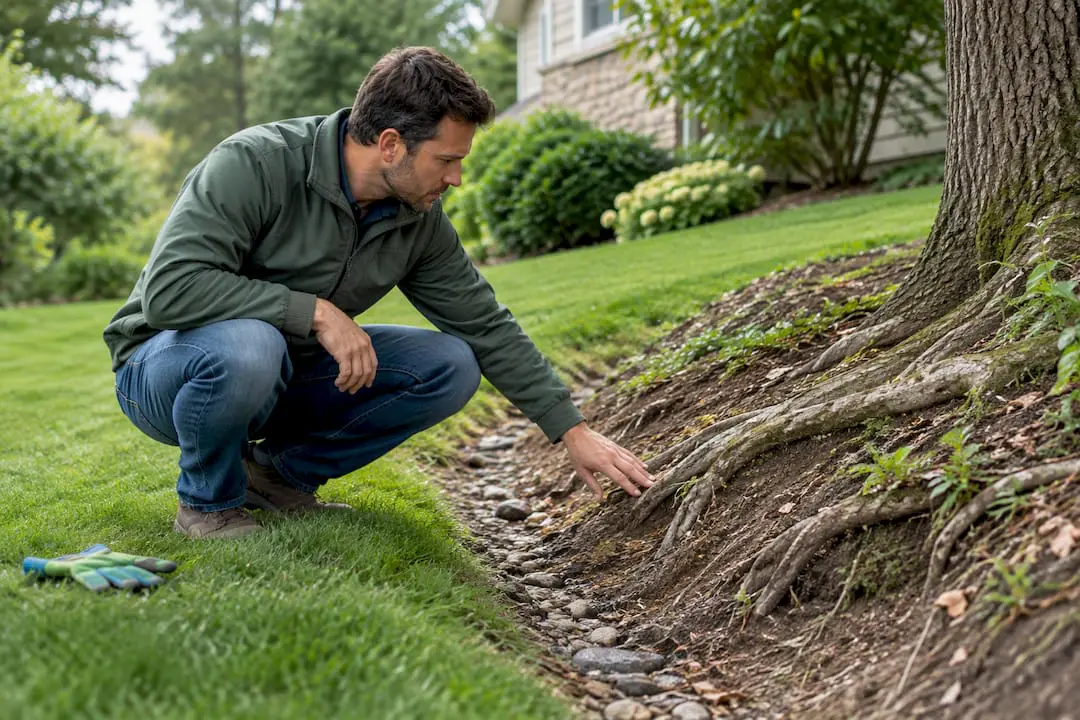
Pro Tip: Before your on-site estimate appointment, walk the yard yourself and note anything unusual, drainage issues, tree roots, uneven grade. Flagging it upfront helps the contractor give you a more accurate number the first time.
Three Priorities Every Homeowner Should Follow
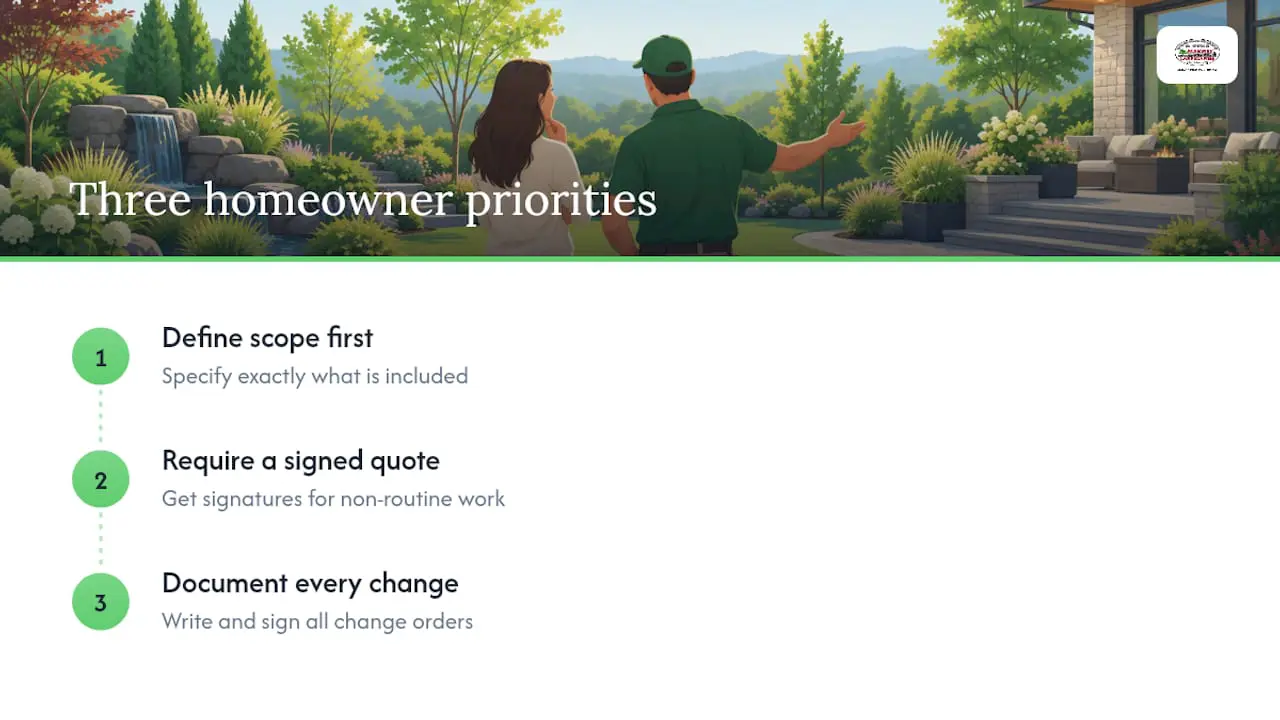
Every dispute I’ve read about in contractor guidance traces back to one of three failures: an undefined scope, an unsigned agreement, or a verbal change nobody wrote down.
Define your scope before you compare a single price. A number means nothing without knowing exactly what it buys. Insist on a signed quote for anything beyond routine maintenance, treat it as your leverage if work doesn’t match what was promised. And keep every change order written and signed, no exceptions, no matter how small the addition seems in the moment. These three habits cost you nothing and prevent almost every landscaping dispute homeowners run into.
— BG
Ready for a Free Estimate That Turns Into a Real Quote?
Comparing bids only works if the estimate you start with turns into a written quote you can actually count on, and that’s the standard Fernandez & Sons builds every project around. Some landscaping companies offer free on-site estimates across various services, then follow through with a written quote covering materials, labor, and timeline before work begins.
Before your on-site visit, jot down your must-haves, budget ceiling, and any site quirks like drainage or slope so the estimate reflects your actual yard, not a generic guess. If you’re weighing a patio, a retaining wall, or a full outdoor living space redesign, start with landscaping and design services or browse recent landscaping projects to see how scope translates into finished work. Request your free on-site estimate through Fernandez & Sons and get a written quote you can actually build a budget around.
Sources
-
FCS3318/FY1380: How to Hire and Manage Residential Contractors
-
Office of the Attorney General — Home improvement contractor FAQs
Check your own state’s licensing rules and contract-value thresholds before signing anything, since requirements shift by jurisdiction.
FAQ
Is a Quote Better Than an Estimate?
Neither is “better,” they serve different purposes. Use an estimate to plan your budget early, then require a signed quote before committing to any construction or hardscaping work, since only the quote protects you once money changes hands.
Is $100 an Hour Too Much for Landscape Work?
Hourly labor rates vary widely by region, project complexity, and whether specialized equipment or licensed trades are involved. Rather than judging a single hourly figure in isolation, compare full itemized quotes across multiple contractors covering identical scope, since labor rate alone doesn’t tell you what’s included.
Is $200 a Month for Lawn Care a Fair Price?
Monthly lawn care pricing depends on lot size, service frequency, and what’s bundled in (mowing, fertilization, cleanups). Ask for a written scope showing exactly what’s covered at that rate. Fernandez & Sons prices landscape maintenance based on the specific property and service plan, so current rates are available by request.
Is It Normal for Contractors to Charge for Estimates?
Many landscaping contractors provide free on-site estimates for standard residential projects. Some contractors do charge a fee for complex design consultations or detailed engineering assessments, so it’s worth asking upfront before scheduling a visit.
What Should I Do if a Contractor Wants to Change the Price Mid-Project?
Any price change should come through a written change order describing the new scope, added cost, and any schedule impact, signed by both parties before the new work begins. Never approve a verbal price increase, even a small one, without documentation.