
How Harsh New Jersey Winters Impact Your Lawn and Landscape
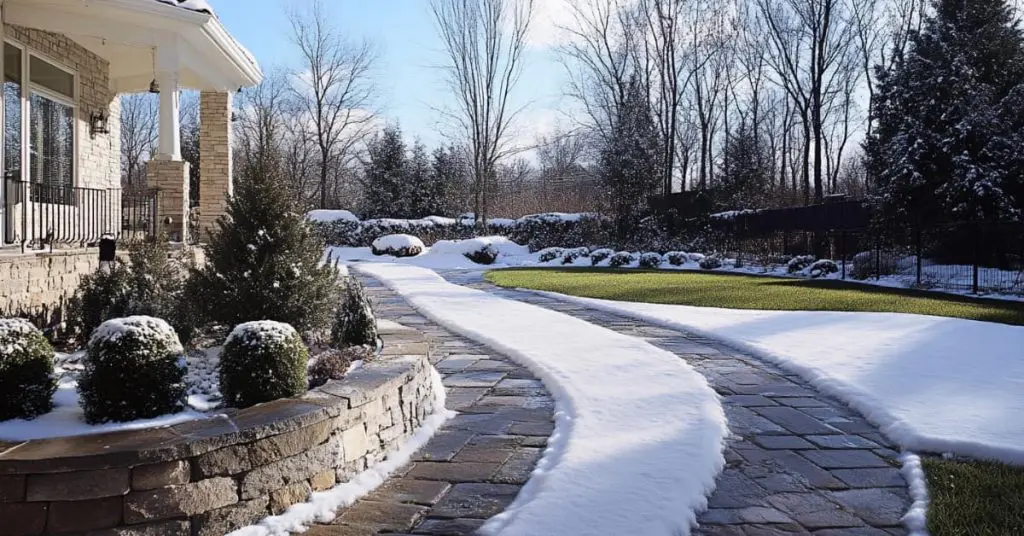
New Jersey winters can be brutal, not just for the residents but also for their lawns, gardens, and landscapes. As temperatures drop and snow blankets the ground, outdoor spaces face various challenges. Understanding these impacts is crucial to minimizing damage and ensuring a lush, vibrant yard come spring.
In this comprehensive “How Harsh New Jersey Winters Impact Your Lawn and Landscape” guide, we’ll discuss the effects of winter weather on grass, shrubs, trees, and garden beds and explain why scheduling a proper spring yard cleanup is necessary.
The Effects of Freezing Temperatures on Grass
One of the most visible impacts of winter weather in New Jersey is the effect of subfreezing temperatures on grass. Grassroots go dormant during the colder months, but this doesn’t mean your lawn is immune to damage. Prolonged exposure to icy conditions and frost can:
- Cause Frost Heave: Repeated freezing and thawing cycles force the soil to expand and contract, which can cause grass roots to become uprooted.
- Lead to Winterkill: Certain types of grass are more susceptible to winterkill, where patches of lawns die off due to extreme cold, desiccation, or ice cover.
Maintaining a healthy lawn throughout the year can help mitigate these issues, but sometimes damage is unavoidable. Once spring arrives, assessing your lawn for bare patches and dead spots that may need reseeding is essential.
Snow and Ice Damage to Shrubs and Trees
The heavy snow and ice typical of New Jersey winters can cause significant damage to trees and shrubs. Here are some of the most common issues:
- Broken Branches: The weight of snow and ice often causes branches to snap, potentially disfiguring trees or leaving wounds that invite disease.
- Salt Damage: De-icing salts used on roads and sidewalks can damage nearby trees and shrubs by altering the soil’s composition or burning the foliage.
Preventive Tips: In late fall, to minimize damage, consider wrapping delicate shrubs in burlap and applying an anti-desiccant spray to evergreens. After snowstorms, gently brush the snow from tree branches to prevent breakage.
The Impact of Road Salt on Your Landscape
While road salt keeps our streets safe during icy conditions, it can harm your landscape. Salt runoff can:
- Contaminate Soil: High salt concentrations can make the soil sterile for plants, damaging their root systems.
- Burn Grass and Plant Foliage: Salt spray from nearby roads can scorch grass and lower foliage, leading to unsightly brown patches.
In spring, leaching salt from the soil is crucial, as it is done by thoroughly watering affected areas. You may also need to amend the soil with organic matter to restore its nutrient balance.
Animal Activity During Winter
Winter forces many animals to forage for food wherever they can find it, and unfortunately, your landscape often becomes an easy target. Deer, voles, and rabbits can wreak havoc on your shrubs, grass, and ornamental trees. Common signs of animal damage include:
- Bark Stripping: Deer often strips the bark from young trees, which can wrap and kill them.
- Tunneling and Gnawing: Voles create runways in the snow, damaging grass and gnawing on roots, while rabbits feed on shrubs and young plants.
Setting up protective barriers and using animal repellents in the fall can help minimize damage. However, professional intervention may be needed in the spring if your landscape has sustained significant damage.
Soil Compaction from Heavy Snowfall
New Jersey winters often bring heavy, wet snow that compresses the soil. This compaction reduces the soil’s ability to drain properly, decreasing oxygen availability at the grassroots. Poor drainage and lack of aeration can lead to fungal diseases and weak, sparse grass.
Once the snow melts, aerating your lawn is one of the most effective ways to restore healthy soil structure. Aeration helps relieve compaction, improves root growth, and prepares your lawn for the growing season.
The Hidden Threat of Snow Mold
Snow mold is a fungal disease that becomes apparent when snow melts in early spring, revealing unsightly gray or pink patches on the lawn. It thrives under thick snow cover, especially when the ground is not fully frozen before the first snowfall.
To minimize snow mold, avoid excessive thatch buildup and keep your lawn mowed to a moderate height before winter sets in. Raking affected areas and applying a fungicide in the fall can also help reduce the risk.
Why Spring Yard Cleanup Is Necessary
Assessing your landscape’s condition after harsh winters becomes essential once the snow melts and temperatures rise. A thorough spring cleanup involves:
- Removing debris.
- Inspecting trees and shrubs for damage.
- Aerating the soil.
- Applying fertilizers to encourage new growth.
When to Begin Spring Yard Cleanup in New Jersey
The best time to start your spring yard cleanup in New Jersey is when the ground has thawed, typically around late March to early April. By getting an early start, you ensure that your grass and plants have ample time to recover and thrive during the growing season.
Ready to Revive Your Yard? Why Spring Cleanup Sets the Stage for a Beautiful Landscape
For professional assistance in revitalizing your yard after harsh winters in New Jersey, contact Fernandez & Sons Masonry & Landscaping. Our team provides expert services to keep your landscape healthy and beautiful year-round. Don’t wait—schedule your spring cleanup today and give your outdoor space the care it deserves!