
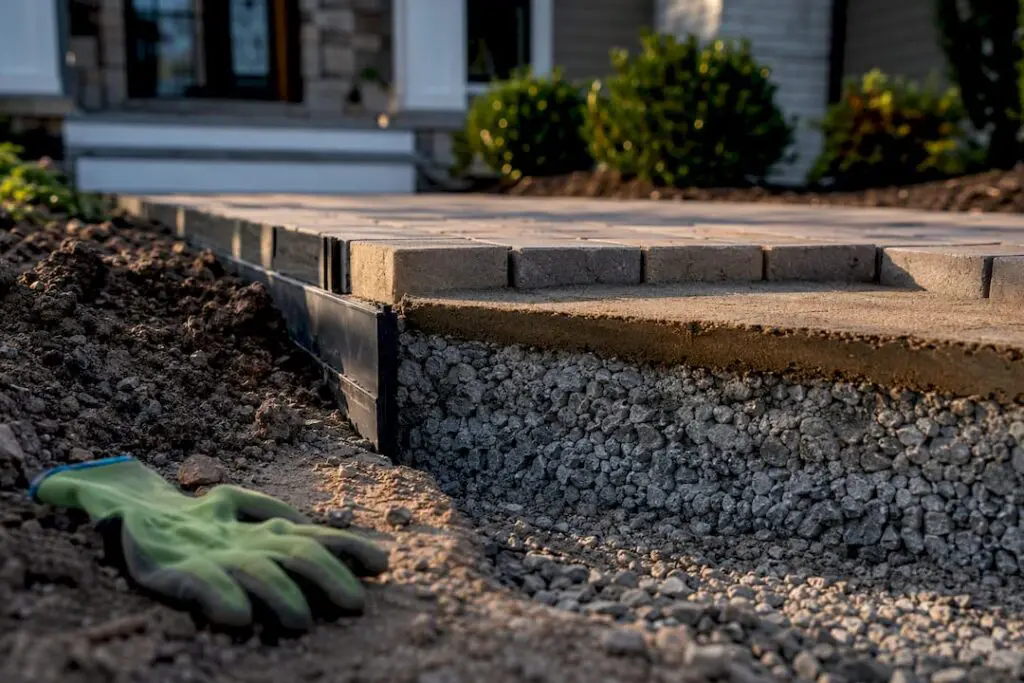
Most concrete pavers typically last a few decades, clay brick pavers often last longer, and dense natural stone can offer service extending many decades or more. Material matters, but the base underneath decides most of the outcome. A well-compacted base with proper drainage outperforms a premium material set on a weak foundation every time. Keep joints filled, reseal when needed, and watch for ponding or settling before small problems become expensive ones.
Before You Get Started What to Know
Proper base preparation and drainage are critical for maximizing the lifespan of pavers, often more important than the material choice itself.
Natural stone and clay brick pavers typically last longer and maintain appearance better than concrete or porcelain, especially with proper installation.
Regular maintenance tasks like joint sand refilling and resealing can extend paver lifespan by several years, but neglecting them accelerates wear.
Driveways and areas with vehicle loads require thicker pavers and engineered bases to prevent rutting and early failure.
Investing in quality installation, base, and long-lasting materials pays off over decades, reducing costly repairs and replacements later.
Table of Contents
Paver Lifespan by Material: What to Expect
Material choice sets the ceiling on how long your pavers can last, but only if everything underneath is built right. Here’s what realistic ranges look like across the four most common options homeowners consider.
Concrete pavers generally last multiple decades with routine care, and correctly installed concrete pavements are expected to hold up well under normal residential use, according to ICPI consumer guidance. Their weak point is the face mix. Surface color and texture wear faster than the structural body, especially on high-traffic walkways and driveways where foot and tire abrasion is constant.
Clay and brick pavers often last longer than concrete due to color consistency throughout the unit, which helps maintain appearance over time. That through-body consistency means fading or chipping rarely exposes a different-colored core underneath, which keeps the surface looking consistent even as it ages.
Natural stone (granite, bluestone, travertine) is often the longest-lasting option, with lifecycle comparisons indicating service that can last many decades, often offering lower total cost of ownership than concrete over longer timescales, per Polycor’s lifecycle analysis. Performance varies by stone type. Denser stones like granite resist freeze-thaw cycling far better than softer, more porous varieties.
Porcelain pavers are a newer option, with real-world lifespan dependent on manufacturer and installation quality.
If you are planning for a long service life, natural stone or clay brick can justify a higher upfront cost. For tighter budgets with good maintenance, quality concrete pavers often offer a practical balance.
Why Installation and Base Prep Control Lifespan
The material you choose matters less than what happens before a single paver goes down. Contractors who prioritize the unseen work, subgrade drainage, compaction, and consistent base thickness, are the ones whose installations still look sharp two decades later.
A proper installation follows this sequence:
-
Subgrade preparation removes organic material and establishes a stable, sloped foundation for drainage.
-
Base material and thickness typically use crushed stone compacted in layers, with total depth adjusted for soil type and expected load.
-
Compaction to industry-recommended density targets prevents the settling that causes rutting and low spots later.
-
Edge restraints lock the entire field in place so units can’t creep or spread under traffic.
-
Bedding sand creates the thin, uniform layer pavers sit on, and it has to stay consistent in depth across the whole area.
ASTM C936 governs material properties for concrete pavers, and ICPI Tech Specs cover the installation standards that determine whether a base performs for decades or fails in five years. Compaction and bedding steps are detailed further in ICPI’s construction guidelines. Permeable paver systems, when designed correctly, also reduce runoff and manage stormwater without sacrificing durability, per the EPA’s permeable pavement guidance.
Pro Tip: Ask any contractor bidding your project whether their installers are ICPI-certified, and ask them to state the base thickness and compaction method in writing. Verbal promises about “a good base” mean nothing once the pavers are down.
Maintenance Tasks That Add Years to Your Pavers
A little annual upkeep goes a long way toward hitting the upper end of any lifespan range. Skip it, and you’re gambling with the shorter end.
Every year:
-
Sweep debris and organic buildup before it stains or feeds weed growth.
-
Pull weeds from joints as soon as they appear, before roots widen gaps.
-
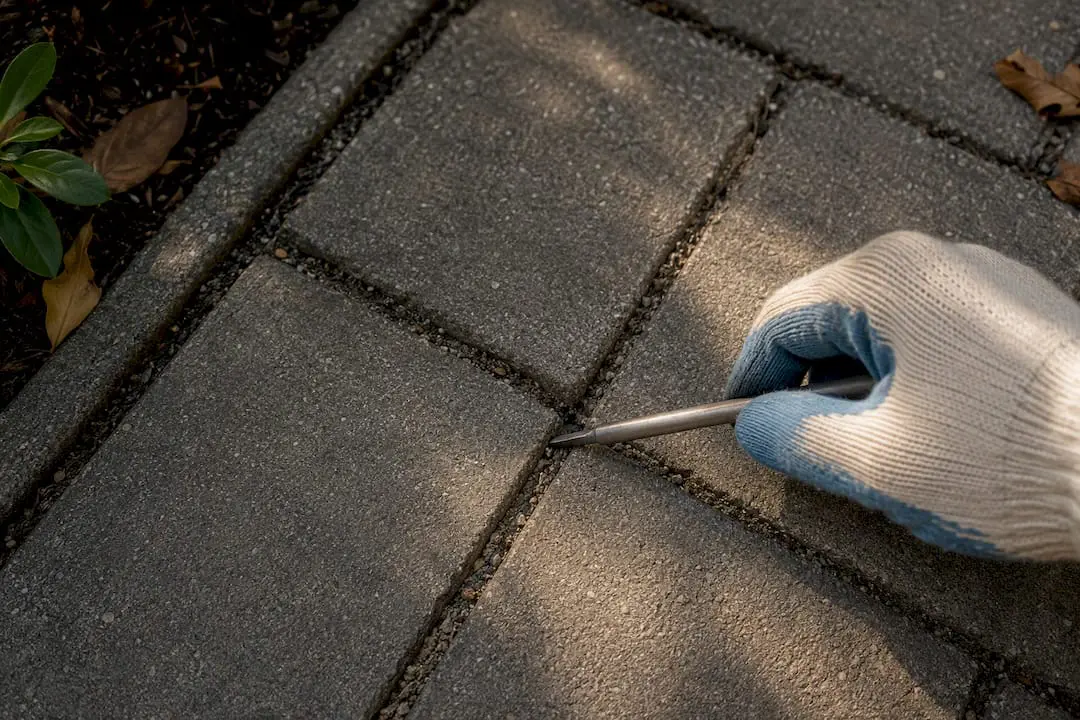
Top off joint sand where it has washed out or settled.
Every 1 to 2 years:
- Refill joints fully, using polymeric sand where you want stronger resistance to washout and weed intrusion.
Every 2 to 3 years:
- Reseal the surface if your paver type and climate call for it, which protects color and reduces moisture penetration in many settings.
Cold-climate homeowners should be careful with de-icing salt, which can accelerate surface wear on some concrete pavers over repeated winters. Sand or calcium magnesium acetate (CMA) offer lower-impact traction alternatives.
Pro Tip: Set a phone reminder for early spring, right after the last freeze. That’s the ideal window to inspect joints and catch winter damage before summer heat sets any minor shifting.
Signs Your Pavers Need Repair
Cosmetic wear is normal. Structural distress isn’t, and catching it early keeps a small fix from becoming a full rebuild.
-
Individual pavers sinking or sitting lower than their neighbors (settling).
-
Water pooling on the surface after rain instead of draining away.
-
Rutting or wheel-track depressions in driveway sections.
-
Large sections shifting or spreading out of alignment.
-
Cracked, chipped, or loose units that rock underfoot.
These problems usually follow a pattern: joint sand washes out first, then water gets into the base, then the base itself softens or erodes. Spot repairs work fine for a handful of loose or cracked units. Widespread settling or rutting usually points to base failure, which means pulling up the affected section and rebuilding the foundation, not just resetting the surface pavers. If you’re also dealing with an adjacent concrete patio that’s sinking or uneven, guidance on leveling concrete surfaces can help you figure out whether the issue is isolated or shared with your paver installation.
How Traffic and Load Change Paver Lifespan
A paver patio and a paver driveway aren’t playing the same game, and the base needs to reflect that difference.
-
Patios and walkways (foot traffic only) generally last longest, as thinner pavers over a properly compacted base are sufficient.
-
Driveways require thicker pavers and a stronger base to withstand vehicle weight and prevent rutting.
-
Commercial or heavy-duty applications often need even thicker pavers and engineered base designs tailored to heavy loads, according to ICPI thickness and application guidance.
Get thickness and base specs in writing for any vehicular application. Guessing here is how driveways start rutting within a few years instead of lasting decades.
What a professional installer checks on every paver project
Every estimate should start with the base, not the paver style. A thorough site inspection includes checking drainage flow, soil conditions, and compaction requirements before placing any pavers. Edge restraint placement and material selection should be clearly specified in writing, not left as assumptions.
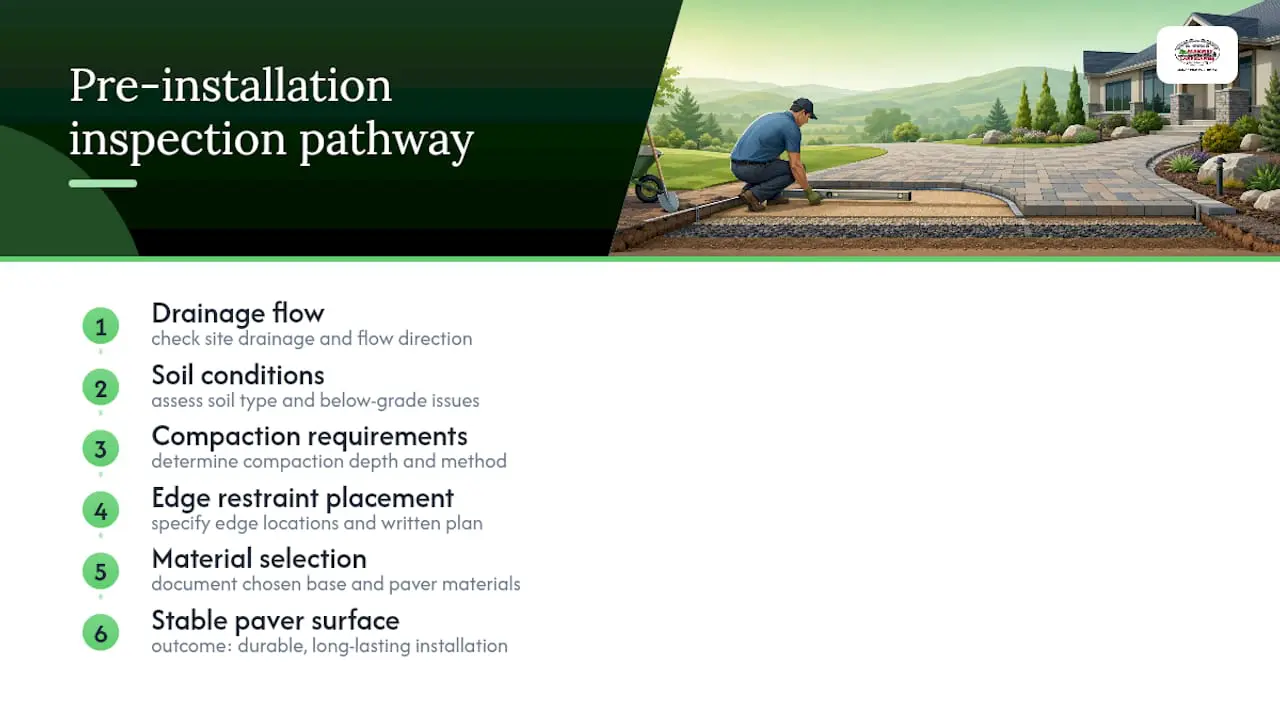
A solid estimate should tell you exactly what’s happening below grade, not just what the finished surface will look like. Fernandez & Sons backs its work with a satisfaction guarantee and free estimates, and homeowners considering a paver patio installation are welcome to ask for photos or references from similar-scope past projects before committing.
When Spending More Upfront Actually Pays Off
Paying for natural stone, thicker pavers, or an engineered base makes sense when you’re planning to stay in the home long enough to see the payoff, typically a decade or more. If you’re prioritizing near-term budget, quality concrete with disciplined annual maintenance closes most of that gap. The honest trade-off isn’t material versus material. It’s whether you’d rather pay once for the base or pay twice for the repair.
Get a Paver Installation Built to Last Decades, Not Just Look Good on Day One
Plenty of contractors can lay pavers that look sharp for the photos. Fewer build the base correctly enough that those same pavers still look sharp in year twenty. A real difference skilled contractors bring to homeowners is installations built around drainage, compaction, and material selection specific to each site, rather than a one-size-fits-all approach.

Fernandez & Sons offers paver patio installation, base and drainage work, repairs, and ongoing maintenance plans, all backed by a satisfaction guarantee. Whether you’re planning a new patio, walkway, or driveway, or you’re dealing with settling or rutting on an existing installation, browse the residential services Fernandez & Sons provides and request a free estimate to get a written scope covering exactly what your project needs below the surface.
Paver Lifespan Recommended Sources
-
Paver application and ASTM/ICPI guidance (industry technical spec PDF)
-
Natural stone vs concrete pavers — lifecycle analysis (Polycor)
FAQ
How Much Would a 20×20 Paver Patio Cost?
Costs vary widely based on material, base depth, and site conditions, so there’s no single number that applies everywhere. Homeowners should contact providers directly for specific estimates based on their site and material choice.
What Are the Downsides of Using Pavers?
Pavers require more ongoing maintenance than poured concrete, including joint sand refills and periodic resealing, and individual units can shift if the base wasn’t compacted correctly. The upside is that repairs are usually localized. You can lift and reset a few units without redoing the whole surface.
Do Pavers Need a Lot of Maintenance?
Pavers need light annual upkeep, sweeping, weed control, and joint sand touch-ups, plus resealing roughly every 2 to 3 years in many climates. That’s more hands-on than poured concrete, but it’s what allows well-maintained pavers to reach the upper end of their lifespan range.
Do Pavers Last Longer Than Concrete?
Individual pavers generally resist cracking better than monolithic poured concrete because each unit can shift slightly with ground movement instead of fracturing as one solid slab. Concrete pavers generally last multiple decades with routine care, and correctly installed systems should reach at least 30 years under normal residential use according to ICPI guidance, while poured concrete slabs often develop cracks sooner when soil beneath them shifts.