
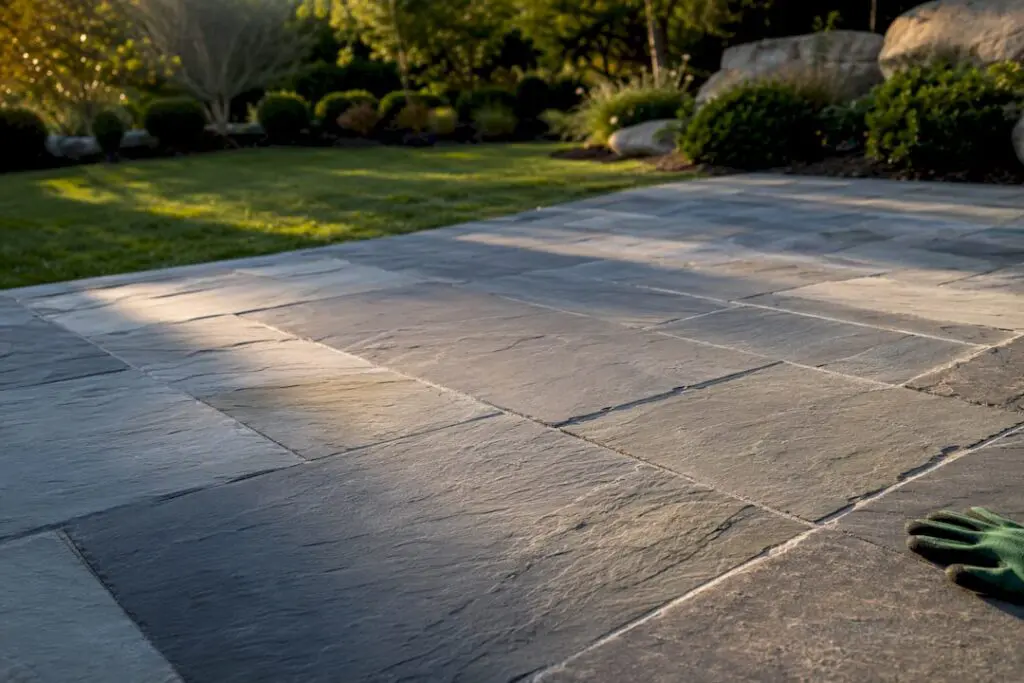
Bluestone is a highly attractive and durable patio material that requires a larger initial investment and ongoing maintenance. It rewards homeowners who plan to stay put, love natural variation, and will seal it on schedule. If your priorities are the lowest maintenance and the lowest cost, an engineered alternative may serve you better.
Before You Get Started
Bluestone generally lasts at least 35 to 50 years if installed correctly, with base quality and drainage being critical to its longevity.
Its natural porosity requires resealing every one to three years to prevent stains and moisture-related damage such as spalling.
The initial cost of bluestone is higher than concrete or basic pavers due to material, cutting, freight, and skilled labor expenses.
Darker bluestone absorbs more heat, making it less suitable for barefoot areas in direct sun compared to lighter materials.
Proper installation with a reinforced base and good drainage is essential, as most failures stem from base issues rather than the stone itself.
Table of Contents
Bluestone Patio Pros and Cons: The Case for Natural Stone
Bluestone earns its reputation the old-fashioned way: it holds up. The stone rates about a 6 on the Mohs Hardness Scale, which puts it above marble and gives it real resistance to the daily wear a patio takes from foot traffic, furniture, and grills. That hardness is a big part of why bluestone patios have such a strong track record in cold-weather climates where lesser stones crack under freeze-thaw cycling.
The color itself is part of the appeal. Bluestone runs from soft blue-gray to green, rust, and lilac tones depending on the quarry, and no two slabs read exactly alike. Homeowners who want a patio that looks quarried, not manufactured, gravitate toward that variation. Contractors generally recommend buying extra material at install specifically so future repairs can match rather than stick out like a patch.
Bluestone by the numbers: A properly installed bluestone patio can last 35 to 50 years or more, with installation quality, not stone grade, doing most of the work to get you there.
Traction matters too, especially near pools and steps. Natural cleft finishes leave a slightly textured surface that grips well even when wet, which is a meaningful safety advantage over polished or glazed alternatives.
Here’s what that adds up to for most homeowners:
-
Hardness comparable to granite-tier pavers, with strong resistance to chipping and cracking under normal use
-
Genuine one-of-a-kind coloring that ages into a patina rather than looking dated
-
Slip resistance suited to pool decks, entries, and stair treads
-
A multi-decade lifespan that can outlast the mortgage on the house it sits beside
-
Resale appeal, since buyers tend to read natural stone as a permanent upgrade rather than a cosmetic one
Where Bluestone Falls Short
The upfront number is the first thing that gives homeowners pause. Material cost, cutting and fabrication, freight, and skilled labor all stack on top of each other, and bluestone typically lands well above poured concrete and often above budget-tier pavers. A detailed bluestone patio cost breakdown is worth reviewing before you commit to a square footage.
Heat is the second issue, and it surprises a lot of people. Darker natural bluestone absorbs more solar heat than lighter manufactured materials, which can make bare feet reconsider a midday walk across the patio in July.
Porosity is the third trade-off. Bluestone is a natural stone, which means it can absorb moisture, oils, and tannins from leaves or berries if left unsealed. Left unchecked, that moisture retention is also what drives spalling, the flaking or peeling of the stone’s surface layer when water freezes and expands inside it.
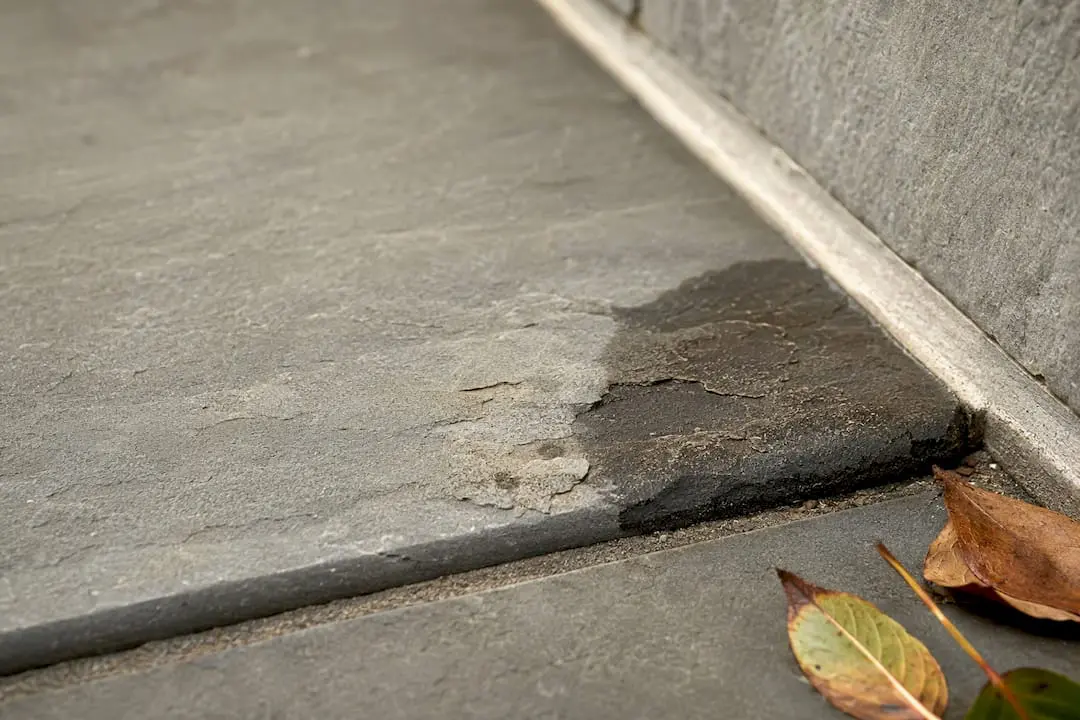
Pro Tip: Ask your contractor whether your slabs are natural cleft or thermal finish before choosing a sealer. The two finishes absorb sealant differently, and using the wrong product can trap moisture instead of blocking it.
The downsides in short form:
-
Higher installed cost than concrete or basic pavers, driven by material, cutting, and freight
-
Noticeably hotter surface temperature in direct sun compared with lighter materials
-
Porous surface that stains without regular sealing
-
Risk of spalling if drainage or sealing is neglected
-
Repairs require matching stone, which gets harder years after the original install
-
Heavy material. A pallet of 2-inch pavers can run thousands of pounds, so site access and equipment need planning before delivery day
Bluestone vs. Porcelain, Concrete, and Flagstone
Every alternative solves a different problem. Porcelain pavers are engineered for near-zero absorption, with water uptake under 0.5%, which makes them close to stain-proof and frost-stable without sealing. Contractors typically frame the choice as living character versus performance consistency: bluestone gives you a surface that looks different in every corner of the yard, porcelain gives you the same tile, everywhere, forever.
Concrete sits at the budget end. It costs less to install and can be stamped or stained to imitate stone, but it lacks bluestone’s texture, tends to crack along control joints over time, and rarely adds the same resale story. Flagstone, bluestone’s closer cousin, shares the natural-stone appeal but often comes in more irregular shapes, which changes labor time and waste during installation.
A quick way to sort priorities:
-
Choose bluestone if you want natural texture, long lifespan, and don’t mind sealing every couple of years
-
Choose porcelain if a low-maintenance pool deck or modern look matters more than natural variation
-
Choose concrete if budget is the primary driver and you’re comfortable with a plainer surface
-
Choose flagstone if you want a natural-stone look with a more rustic, irregular pattern
Installation Quality Determines Whether Bluestone Lasts
Nearly every bluestone failure traces back to the base, not the stone. Contractors consistently find that longevity depends far more on compaction and drainage than on the grade of stone purchased.
-
Excavate and compact a crushed stone base, typically 4 to 6 inches deep, deeper on slopes or in areas with poor natural drainage.
-
Add geotextile fabric under sloped or clay-heavy sites to keep the base from migrating over time.
-
Set edge restraints so the perimeter doesn’t creep outward under freeze-thaw pressure.
-
Grade for drainage away from the house so water never pools under the slabs.
-
Hire a pro for anything beyond a small walkway. The weight of the material, the compaction equipment, and the warranty coverage all favor professional installation over a DIY attempt.
Done right, you’re looking at that 35 to 50 year window. Done wrong, cracked or heaving stones show up within a few winters, which is the surest sign the base, not the bluestone, failed. A closer look at patio installation standards shows how much of the final result gets decided before a single stone is set.
Maintenance and Sealing: What to Actually Budget
Plan on sealing bluestone periodically, roughly every few years depending on the sealer product and patio usage. Bluestone’s natural porosity is exactly why this step matters, since a fresh sealer coat is what keeps stains, tannins, and moisture from working into the surface.
Maintenance snapshot: Expect resealing roughly every 1 to 3 years, a stronger stain shield right after each application, and joint resanding every few seasons as sand washes out from rain and snowmelt.
Stick to pH-neutral stone cleaners for routine washing. Skip acidic cleaners, vinegar-based solutions, and rock salt de-icers in winter. All three etch or degrade sealed bluestone over time. A seasonal stone maintenance routine covers the specifics of cleaning cadence and joint care in more detail.
-
Reseal every 1 to 3 years based on sun and foot traffic
-
Use pH-neutral cleaners only, never acidic products or de-icing salt
-
Resand joints as needed to prevent shifting and weed growth
-
Call a professional if you see wide cracking, heaving, or consistent pooling water
Picking the Right Finish and Format
Thermal finishes give you a flatter, more uniform surface, which is what you want under outdoor furniture and dining sets. Natural cleft finishes trade some of that flatness for better grip, which is why they show up more often near pools and stair treads. Regional stone also varies. Pennsylvania sandstone reads differently than Shenandoah limestone, so ask your contractor which quarry source they’re pulling from.
-
Thermal finish for dining and furniture areas that need a level surface
-
Natural cleft for pool edges, steps, and anywhere traction matters most
-
Cut pavers reduce waste and speed up installation versus irregular flagging
-
Lighter grout lines and partial shade cut down on surface heat buildup
What Fernandez & Sons Tells Homeowners Before They Commit
Over a decade of hardscaping work across New Jersey has shown us that bluestone earns its keep when a homeowner wants permanence and character, and we’ll say so plainly during a consultation. When a yard has heavy pool traffic or a client wants near-zero upkeep, we’ll point toward porcelain or concrete instead. Either way, we anchor every quote in base prep and a workmanship warranty, and we ask about site access early since bluestone pallets are heavy and staging matters.
— BG
Ready to Talk Through Your Patio Options?
If you’re weighing bluestone against porcelain or concrete, the honest answer is that the right material depends on your yard, your climate exposure, and how much upkeep you actually want to commit to. That’s exactly the conversation Fernandez & Sons has with homeowners across Morris and Somerset Counties every week, backed by more than a decade of hands-on masonry and hardscaping experience.
A site visit lets us evaluate drainage, sun exposure, and access before recommending a stone, a finish, and a realistic budget, rather than guessing from a photo. We handle everything from paver patio installation to ongoing sealing and repair, and every project starts with a free estimate backed by our satisfaction guarantee. If you’re also planning other structural work, our concretework and masonry services cover retaining walls, walkways, and repairs on the same visit. Request your free estimate through Fernandeznsons and we’ll walk your property with you before any stone gets ordered.
Authoritative Sources
For deeper technical detail, see the Mohs hardness comparison, heat performance testing by material, and porcelain vs bluestone comparisons.
FAQ
How long will a bluestone patio last?
A properly installed bluestone patio typically lasts 35 to 50 years or more, since installation quality matters more than the stone grade itself. Poor base prep or missed drainage can cut that lifespan dramatically no matter how good the stone is.
What are the common problems with bluestone?
The most common issues are staining from unsealed porous surfaces, spalling caused by trapped moisture freezing and expanding, and surface heat buildup on darker stones in direct sun. Most of these are preventable with proper sealing and a well-drained base.
What is cheaper, flagstone or bluestone?
Flagstone and bluestone often land in a similar price range since both are natural stone, though costs shift based on quarry source, cutting, and local availability. Concrete and basic pavers remain the cheaper route if budget outweighs the appeal of natural stone texture.
Is bluestone a good choice for patios?
Bluestone is a strong choice for homeowners who want a durable, distinctive surface and are willing to reseal it every one to three years and budget for a higher installed cost. The material is often recommended for homeowners focused on long-term value, though a low-maintenance yard or heavy pool deck use might point toward porcelain instead.