
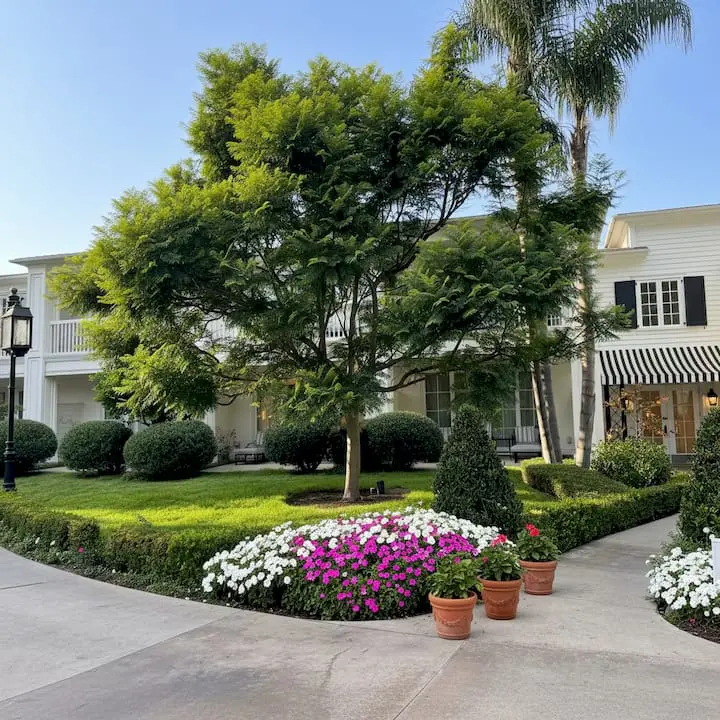
The four moves that consistently transform a front yard are a defined entry focal point, freshly edged and mulched beds, odd-numbered plant groupings, and targeted lighting at the porch and walkway. Together, they work because they signal intention: a yard that looks designed, not just planted.
Here is how those moves map to three budget tiers:
- Under a small budget: Refresh mulch, paint the front door, and add a cluster of three potted plants at the entry. HGTV confirms that these targeted tasks deliver noticeable improvement for almost nothing.
- Moderate budget: Install clean bed edging, add a small focal shrub or ornamental tree, and set up a low-voltage or solar path lighting kit.
- Larger budget: Upgrade the walkway with pavers or flagstone, add a simple arbor or raised planting bed, and invest in professional landscape design for a cohesive plant palette.
Each tier works because it focuses spending on the highest-visibility zone first: the path from the curb to your front door.
Key Takeaways
Focused, design-led curb appeal improvements — defined beds, a quality walkway, odd-numbered plantings, and targeted lighting — consistently outperform scattered, high-volume planting in both visual impact and home value return.
| Point | Details |
|---|---|
| Start at the entry | The curb-to-door path is the highest-visibility zone; improve it before any other area. |
| Design beats quantity | Fewer, well-placed plants in a coherent layout add more perceived value than many disorganized ones. |
| Budget tiers exist | Under $100 wins (mulch, door paint, edging) deliver fast results; walkway upgrades deliver lasting ROI. |
| Lighting multiplies impact | Porch, pathway, and one focal uplight create evening curb appeal that daytime-only improvements cannot match. |
| Fernandez & Sons | Handles walkways, hardscaping, landscape design, and seasonal maintenance in Morris and Somerset Counties, NJ, with free estimates available. |
Table of Contents
- What are the best curb appeal landscaping ideas for a weekend?
- Core design rules that make a front yard look intentional
- Plants that look good year-round and stay low-maintenance
- Hardscape moves that change the yard’s look
- Where should you add landscape lighting for the best effect?
- A simple refresh plan and realistic timeline you can follow
- Which curb appeal projects add the most value?
- Simple seasonal maintenance routines to keep curb appeal long-term
- Why a few well-designed changes beat lots of clutter
- A contractor’s perspective on what actually works
- How Fernandez & Sons can handle the heavy lifting
- Frequently asked questions
- Sources
What are the best curb appeal landscaping ideas for a weekend?
You do not need a contractor or a large budget to see a real difference. These low-cost projects can each be completed in a day or a weekend, and most require only basic tools.
- Paint the front door (~$30–$50, 2–3 hours). A bold, clean color — navy, black, deep red — turns the entry into a focal point. Use exterior-grade paint and a foam roller for a smooth finish.
- Refresh mulch in all visible beds (~$40–$80 for a small yard, 2–4 hours). Two to three inches of dark hardwood mulch makes every plant look intentional and suppresses weeds for months.
- Plant a mailbox garden (~$20–$40, 1–2 hours). Three low-growing perennials or ornamental grasses around the mailbox post create a finished look at the curb. Daylilies, creeping phlox, or Karl Foerster grass all work well.
- Replace house numbers (~$15–$40, 30 minutes). Large, brushed-metal numbers on a clean background are one of the fastest visual upgrades available. They also improve delivery and emergency access.
- Add a cluster of potted plants at the entry (~$30–$60, 1 hour). Group three containers of different heights with a thriller (tall), filler (mounding), and spiller (trailing) plant. Canna lily, petunias, and sweet potato vine is a classic combination.
- Edge all bed borders (~$0–$20 if you own an edger, 1–2 hours). A crisp, clean edge between lawn and bed reads as professional landscaping even when the plants inside are simple. This single task makes ordinary yards look expensive.
- Clear debris and dead growth (free, 1–2 hours). Remove dead annuals, broken branches, and any clutter from the front yard. A clean yard always reads better than a planted-but-cluttered one.
Pro Tip: Tackle items 2 and 6 first. Fresh mulch and clean edges create the visual framework that makes every other improvement look more deliberate.
Core design rules that make a front yard look intentional
Fewer, well-placed elements almost always beat many mismatched plants. That principle sounds simple, but it runs counter to how most homeowners shop at a garden center: grabbing whatever looks good that day and filling space.
The Rule of 3 and odd-numbered groupings
Planting in groups of three, five, or seven creates rhythm and prevents the eye from pairing elements symmetrically. Odd-numbered groupings feel balanced and natural rather than stiff, which is why professional designers default to them. A trio of Little Lime hydrangeas flanking a walkway reads as a deliberate design decision; two of the same plant reads as an afterthought.
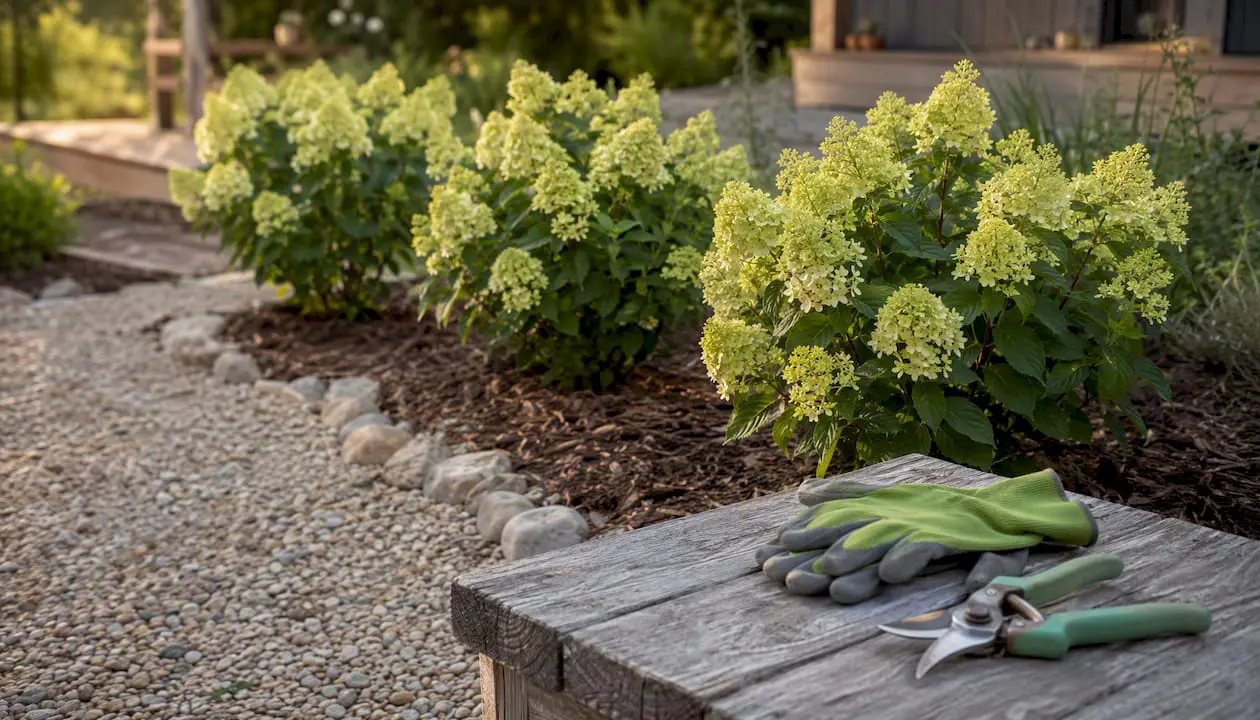
That said, the Rule of 3 is a guide, not a formula. For larger plantings, think in drifts or masses rather than counting exact threes. A bed of 15 Black-eyed Susans planted in a flowing sweep looks far better than five separate clusters of three.
Proportion and scale
Plant height should relate to the house. A general rule: foundation shrubs should reach no more than one-third of the wall height at maturity. A six-foot arborvitae planted two feet from a one-story ranch will eventually block windows and overwhelm the facade. Choose plants whose mature size fits the space, not their size at purchase.
Focal points and supporting elements
Every well-designed front yard has one clear focal point: the front door, a specimen tree, or a distinctive planting bed. Everything else supports it. If you have a beautiful Japanese maple near the entry, keep surrounding plantings low and simple so the tree reads clearly. Competing focal points cancel each other out.
Symmetry works well for formal entries: matching boxwood topiaries flanking a centered door, for example. For a more relaxed, natural look, use asymmetrical odd groupings with plants of varying heights and textures.
Pro Tip: Stand at the curb and take a photo of your front yard. The camera flattens the scene and reveals clutter, imbalance, and scale problems that are easy to miss in person.
Plants that look good year-round and stay low-maintenance
The most durable plant palette for curb appeal combines perennials, native species, and a few evergreens. That mix delivers structure in winter, color in spring and summer, and texture in fall, without requiring constant replanting or heavy watering.
For a deeper look at plant selection and upkeep strategies, the low-maintenance landscaping guide from Fernandez & Sons covers the most practical options for the Northeast.
Foundation shrubs (moderate maintenance, massing or anchor positions):
- Inkberry holly (Ilex glabra) — native, deer-resistant, evergreen
- Dwarf Fothergilla — four-season interest, brilliant fall color
- Knock Out roses — repeat-blooming, disease-resistant
Year-round structure (low maintenance, corners and bed anchors):
- Sky Pencil holly — narrow columnar form, ideal for tight entries
- Winterberry holly (Ilex verticillata) — native, striking red berries in winter
- Boxwood — classic, shearable, works in formal or informal settings
Low-maintenance perennials (low maintenance, bed edges and mid-border):
- Black-eyed Susan (Rudbeckia fulgida) — native, long-blooming, drought-tolerant
- Coneflower (Echinacea purpurea) — pollinator magnet, self-seeds gently
- Daylily (Hemerocallis) — nearly indestructible, spreads to fill gaps
Seasonal color (moderate, containers or annual bed edges):
- Marigolds, zinnias, or impatiens for shaded entries
- Ornamental kale for fall and early winter interest
Lawn alternatives: When a traditional lawn is impractical, shaded, or simply not worth the maintenance, consider creeping thyme, pachysandra, or a gravel mulch bed with ornamental grasses. Artificial grass is another option that eliminates mowing entirely and stays green year-round, though it works best in smaller defined zones rather than large open lawns.
Hardscape moves that change the yard’s look
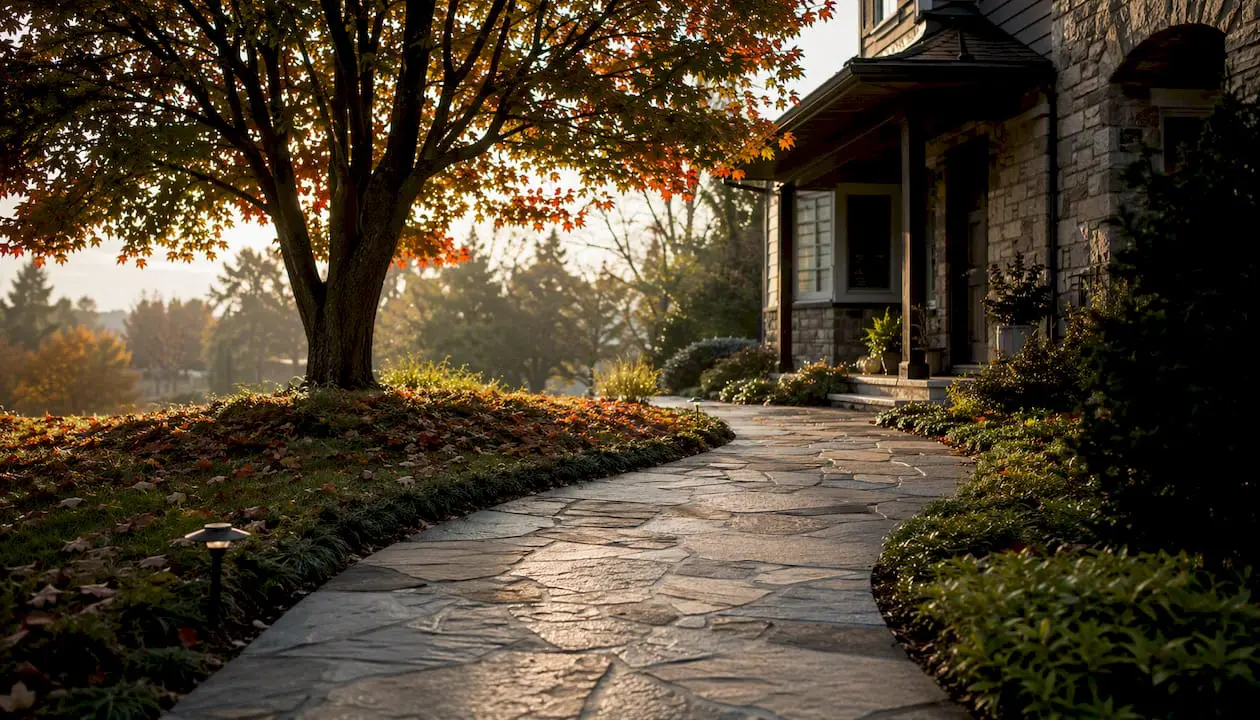
The single most transformative hardscape upgrade is a well-designed walkway. A path that is wide enough (at least 36 inches, ideally 48), made from quality materials, and properly edged signals permanence and quality in a way that plants alone cannot.
Material options
- Pavers (concrete or natural stone): Durable, repairable, and available in a wide range of styles. Natural stone pavers cost more upfront but age beautifully. Concrete pavers offer a similar look at a lower price point.
- Flagstone: Irregular shapes create a natural, relaxed feel. Works well with cottage-style or informal plantings. Requires a stable base to prevent shifting.
- Poured concrete: Clean and modern, but cracks over time and is difficult to repair without visible patches.
- Gravel: Affordable and permeable, but requires edging to stay contained and can feel informal for a primary walkway.
When budget is limited, investing in durable hardscape materials and pairing them with simple, repeated plant choices communicates higher quality than many inexpensive plants with no structural framework.
A simple arbor at the entry, even a modest cedar or aluminum structure, creates a vertical focal point and frames the front door from the street. Raised planting beds with stone or timber borders add definition and make even basic plantings look curated.
Typical walkway upgrade costs range from $800–$2,500 for a standard 30–40 linear foot path in pavers or flagstone, depending on material and site prep. Clean edging alone, at $150–$400 professionally installed, delivers a disproportionate visual return for the cost.
Where should you add landscape lighting for the best effect?
Strategic lighting at three points — the porch, the walkway, and one focal uplighted tree or shrub — delivers more evening curb appeal than a dozen randomly placed solar stakes.
- Porch and entry lighting: Replace a dated fixture with a modern lantern-style or industrial pendant. This is the highest-return single lighting change. Warm white (2700K–3000K) bulbs create a welcoming glow without the harsh blue of daylight LEDs.
- Pathway lights: Space stake lights 6–8 feet apart on alternating sides of the walk for a staggered, professional look. Solar stake lights work well here — they require no wiring and are easy to reposition. HGTV notes that well-placed affordable path lights meaningfully increase nighttime appeal and safety.
- Uplighting a focal tree or shrub: A single low-voltage uplight aimed at a specimen tree or architectural shrub creates depth and drama after dark. Low-voltage kits (12V systems) are DIY-friendly and run on a simple timer.
Solar vs. low-voltage: Solar stakes cost $15–$40 for a set and need no electrician, but performance drops in shaded yards or during cloudy stretches. Low-voltage kits ($50–$150 for a starter set) are more reliable and brighter, but require running a wire from an outdoor outlet. For a shaded front yard, low-voltage is the better investment.
Maintenance: Replace solar batteries every 1–2 years. Check low-voltage connections each spring after frost heave. Trim plants that grow over path lights seasonally so the beam stays clear.
A simple refresh plan and realistic timeline you can follow
Start by assessing what you already have. Walk the front yard and note which plants are healthy and worth keeping, where mature tree canopy creates shade, and whether you have an irrigation system or rely on hand watering. That inventory shapes every decision that follows.
The recommended sequence moves from structure to detail: clear and define beds first, then add structural plants, then color and containers, then lighting.
| Task | Estimated Time | Difficulty | Season |
|---|---|---|---|
| Clear debris, remove dead plants | 2–4 hours | Easy | Any |
| Edge all bed borders | 2–3 hours | Easy | Spring/Fall |
| Apply fresh mulch | 3–5 hours | Easy | Spring/Fall |
| Paint front door | 2–3 hours | Easy | Spring/Summer |
| Replace house numbers | 30 minutes | Easy | Any |
| Plant foundation shrubs | 4–8 hours | Moderate | Spring/Fall |
| Install pathway lighting | 2–4 hours | Moderate | Any |
| Walkway upgrade (pavers/flagstone) | 1–3 days | Hard/Pro | Spring/Summer |
| Add arbor or raised bed | 1–2 days | Moderate/Pro | Spring |
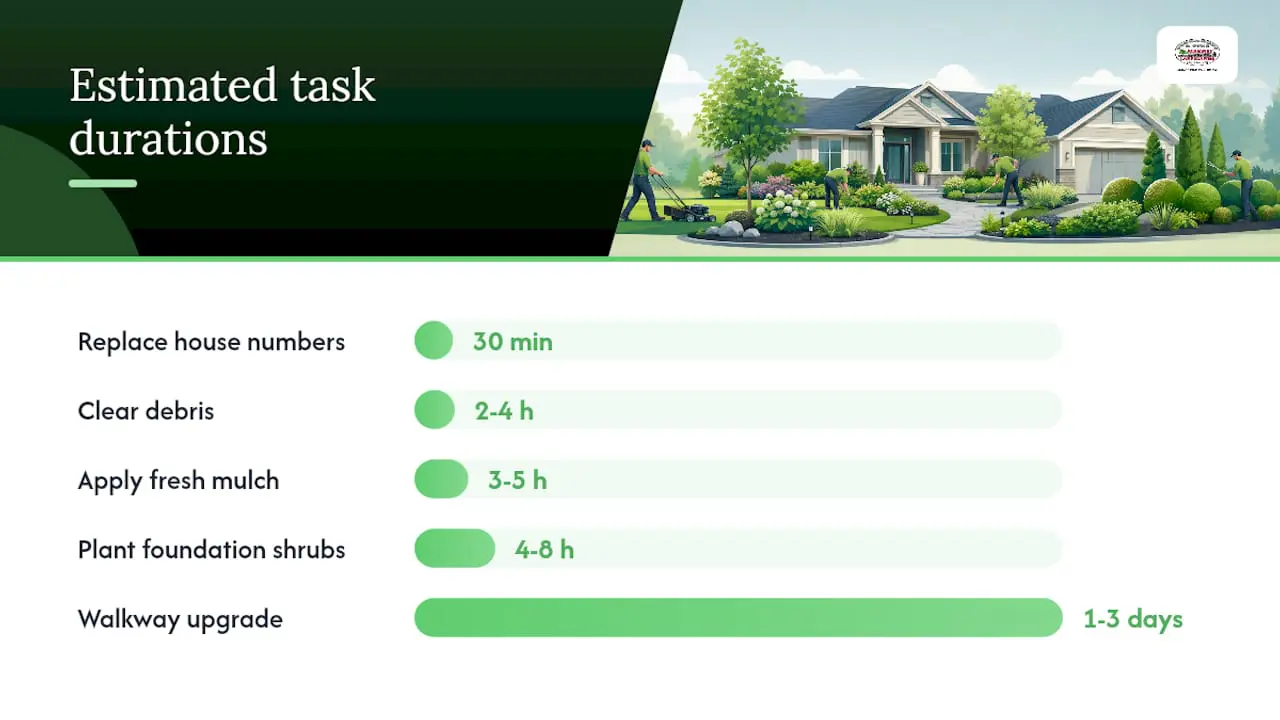
Phasing work around visible zones is a professional strategy worth borrowing: finish the entry zone completely before moving to the side beds. Each phase reads as complete on its own, so the yard never looks half-done during a multi-week project.
Which curb appeal projects add the most value?
A few high-quality design moves — a walkway upgrade, a well-placed mature tree, landscape lighting, and a neat lawn — consistently deliver the strongest combination of visual impact and financial return. Quality landscaping can add roughly 15%–20% to a home’s value, with targeted upgrades in those categories showing the strongest ROI.
| Project | Typical Cost | Visual Impact | Value Impact |
|---|---|---|---|
| Mulch refresh + edging | $100–$400 | High | Moderate |
| Front door paint | $30–$80 | High | Moderate |
| Pathway lighting kit | $50–$80 | High | Moderate |
| Foundation shrub planting | $150–$400 | High | Moderate–High |
| Walkway upgrade (pavers) | $800–$2,500 | Very High | High |
| Ornamental tree (specimen) | $800–$2,500 | Very High | High |
| Professional landscape design | $500–$2,000 | Very High | Very High |
For budget-friendly NJ landscape upgrades, the pattern is consistent: spend on durable materials and a few quality plants rather than many inexpensive ones. A $400 paver border around a single bed outperforms $400 worth of annual flowers that need replanting every year.
Where to save: annuals for seasonal color, basic solar path lights, and DIY mulching. Where to spend: walkway materials, a specimen tree, and professional bed design if the layout is complex.
Simple seasonal maintenance routines to keep curb appeal long-term
Curb appeal is not a one-time project. Regular small tasks, done at the right time of year, preserve the investment without requiring heavy ongoing work.
Spring:
- Edge all bed borders and refresh mulch to 2–3 inches
- Prune winter-damaged branches and cut back ornamental grasses before new growth
- Divide overcrowded perennials and replant gaps
- Check irrigation heads and reset timers
Summer:
- Deadhead perennials and annuals to extend bloom time
- Mow using the 1/3 rule — never remove more than one-third of the grass blade in a single cut
- Water deeply and infrequently to encourage deep root growth; drip irrigation is the most efficient option for beds
- Spot-treat weeds before they set seed
Fall:
- Plant spring bulbs (tulips, daffodils, alliums) for early-season color
- Cut back spent perennials, but leave ornamental grasses and seed heads for winter interest and wildlife
- Apply a final mulch layer before the ground freezes
- Wrap young or tender shrubs if hard freezes are expected
Winter:
- Keep walkways and entry clear of ice and debris
- Note any structural gaps or bare spots to address in spring
- Review the plant palette and order new plants early for spring delivery
For a detailed seasonal plan tailored to the Northeast, the Basking Ridge seasonal maintenance guide covers timing and tasks specific to the region.
Why a few well-designed changes beat lots of clutter
The research on this point is consistent and somewhat counterintuitive: adding more plants does not reliably increase perceived home value. Virginia Tech Extension research found that design sophistication — intentional layout, balanced plant massing, and a curated selection — is the single most significant landscaping factor influencing how buyers and appraisers perceive a home’s value. A yard with 12 well-placed plants in a coherent design reads as more valuable than one with 40 plants scattered without structure.
The Rule of 3 principle, documented by Gardening Know How, supports this: odd-numbered groupings create visual rhythm that the eye reads as natural and balanced. That rhythm is what separates a yard that looks “designed” from one that looks “planted.”
The ROI data reinforces the design-first approach. Redfin’s analysis shows landscaping can add 15%–20% to home value, but the gains are concentrated in projects with clear visual structure: walkways, specimen trees, and defined beds. Scattered annuals and impulse purchases rarely show up in appraisals.
A contractor’s perspective on what actually works
The most common mistake homeowners make is planting before they plan. A yard filled with plants purchased on impulse, without a clear layout or color palette, almost always needs to be partially redone within three to five years. The plants grow, compete, and eventually obscure each other, and the result looks busier than bare ground.
A few patterns show up repeatedly on professional jobs:
- Overplanting near the foundation. Shrubs planted too close to the house block light, trap moisture against siding, and require constant pruning. Space foundation plants so their mature spread clears the wall by at least 18–24 inches.
- Skipping bed definition. Without a clean edge between lawn and bed, even expensive plants look unkempt within a season. Edging is the single highest-return maintenance task.
- Inconsistent materials. Mixing three different paver styles, two mulch colors, and mismatched edging materials in one yard creates visual noise. Pick one material family and repeat it.
- Ignoring the view from the street. Most homeowners design from the front door looking out. Professionals design from the curb looking in. Those are very different perspectives.
When to DIY: Mulching, planting annuals and small perennials, painting the front door, installing solar path lights, and basic edging are all well within reach for a motivated homeowner with a free weekend.
When to hire a pro: Walkway installation, retaining walls, significant grading, irrigation system work, and any project involving heavy excavation or permits. Getting those wrong costs more to fix than hiring correctly the first time.
The Parsippany masonry and landscaping portfolio shows what phased, professional work looks like from start to finish — a useful reference before planning a larger project.
How Fernandez & Sons can handle the heavy lifting
For homeowners in Morris and Somerset Counties who want professional results without managing multiple contractors, Fernandez & Sons handles the full range of curb-appeal projects: walkway and paver installation, masonry edging, landscape design, planting, and seasonal maintenance. The difference from a DIY approach is not just execution quality — it is the planning stage, where material choices, plant placement, and phasing get worked out before a single shovel goes in the ground.

The team works on everything from a single walkway upgrade to a complete front-yard redesign. Brick and stone masonry for NJ homes and hardscaping services in the area are among the most requested starting points. For readers who want to see finished project examples before making a call, the Rockaway landscapes portfolio shows the range of work completed locally.
Free estimates are available. Before the call, note your approximate bed square footage, your preferred materials (pavers, stone, gravel), and any existing plants you want to keep. That information helps the team give you a useful number on the first visit. Request your free estimate here.
Frequently asked questions
What is the single most effective curb appeal improvement?
Defining and mulching your planting beds, then edging them cleanly, delivers the highest visual return per dollar. It makes every plant look intentional and the yard look maintained.
How much does curb appeal landscaping cost?
Meaningful improvements start under $100 for a weekend DIY project (mulch, door paint, edging). A mid-range refresh with new foundation shrubs and pathway lighting typically runs $500–$1,500. A full walkway and landscape design project ranges from $2,000 to $8,000 or more depending on materials and scope.
Which plants are best for low-maintenance curb appeal?
Native perennials like Black-eyed Susan, coneflower, and inkberry holly require minimal care once established, return each year, and support local pollinators. Pair them with one or two evergreen shrubs for year-round structure.
Does landscaping really increase home value?
Yes. Quality landscaping can add roughly 15%–20% to a home’s value, according to Redfin’s analysis. The strongest returns come from walkway upgrades, specimen trees, defined beds, and landscape lighting.
When is the best time to start a curb appeal project?
Spring and fall are ideal for planting. Spring gives plants a full growing season to establish; fall planting reduces transplant stress and allows root development before winter. Hardscaping and lighting can be installed in any season with dry ground.
Should I hire a pro or DIY my front yard?
DIY is practical for mulching, painting, edging, container planting, and solar lighting. Hire a professional for walkway installation, retaining walls, irrigation, and any project requiring grading or permits. Getting structural work wrong costs more to fix than hiring correctly from the start.
Sources
- Gardeningknowhow
- Virginia Tech Extension — Landscape Design Guidance
- 25 Ways to Get Instant Curb Appeal for Less Than $100 – HGTV
- When to use the rule of threes in garden design – BobVila